
Neurodivergent Learning Design for Early Childhood
Neurodivergent learning design is a practical way of shaping environments, routines, and everyday interactions so children can regulate first and engage with learning in ways that are actually sustainable in real homes and classrooms.
Neurodivergent learning design begins with how real children experience everyday environments, translating developmental research into calm, sustainable learning routines across Australia.
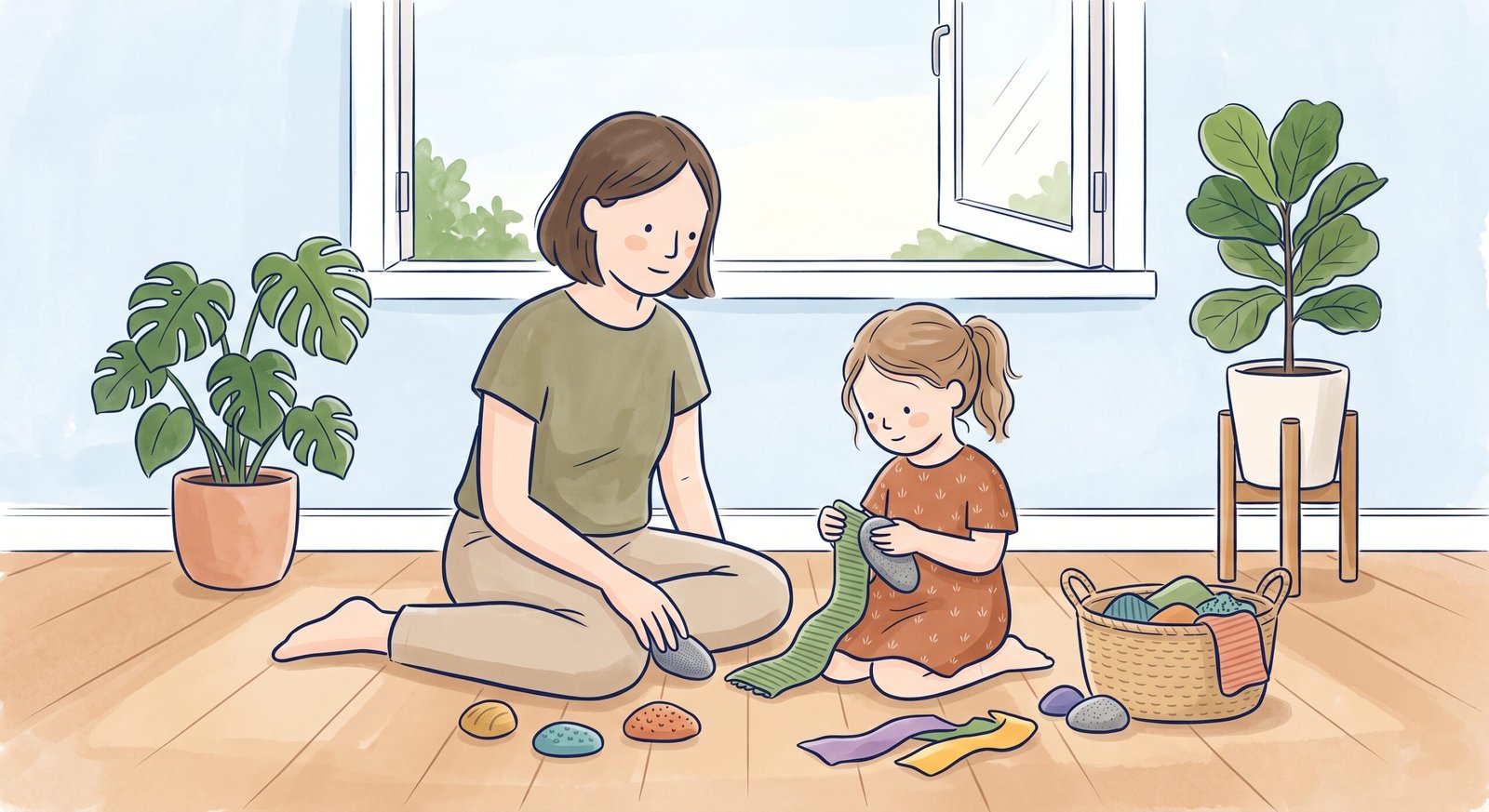
This neurodivergent learning design comes directly out of early childhood research, classroom practice, and life at home as a mother with ADHD raising a young daughter with ADHD.
When routines unravel around ten in the morning or during a school transition, it is not because anyone has failed. Traditional reward charts and compliance drills simply fall flat when a child’s nervous system is already running on empty. When we reduce demands and settle the room first, learning has a chance to happen naturally.
Read about how this philosophy began on the how this began reflection page.
Where This Approach Comes From
Traditional early childhood models often rely on consequences and behaviour modification. Modern developmental research aligned with Australia’s Early Years Learning Framework (EYLF) shows something quite different: a child cannot focus, process language, or retain instructions when their nervous system is in a state of stress.
Sensory overload from background noise, visual clutter, tone of voice, and abrupt schedule shifts acts as an immediate alarm signal. When a child bolts, shouts, or shuts down, their behaviour reflects that internal overload rather than deliberate defiance.
This framework translates developmental research into calm, sustainable routines that work in real Australian homes and classrooms. Instead of demanding immediate compliance, intentional learning design looks at what is happening in the body and co-regulates the environment first.
The Core Elements of Learning Design
To turn neurodivergent learning design into something sustainable, we separate pedagogical principles (how neurodivergent minds actually learn) from operational realities (the honest limits of homes and classrooms).
- 1. Regulation Before Learning Children must feel physically and emotionally settled before taking on instructions, group expectations, or sit-down tasks. As developmental science from Harvard’s Center on the Developing Child reinforces, physiological state dictates what is cognitively possible. Read Guide →
- 2. Development Does Not Follow a Straight Line Neurodivergent children develop unevenly. Good design accommodates daily capacity rather than expecting rigid adherence to average age milestones. Read Guide →
- 3. Sensory Environments Shape Capacity Lighting, acoustics, and movement opportunities directly determine how long a child can engage without tipping into distress. The room itself either supports or depletes attention. Read Guide →
- 4. Grounded in Real Homes and Classrooms A framework that only functions in a sterile sensory room is not practical. Useful learning design must hold up in noisy rooms with twenty other children or during a chaotic school run. Read Guide →
- 5. Adult Energy Is Part of the Equation Strategies that exhaust parents or educators are not sustainable. Support must fit within everyday energy boundaries, respecting caregiver neurodiversity and educator workloads. Read Guide →
The System in Motion: Connecting Space, Routines, and De-escalation
Rather than treating daily struggles as isolated behavioural events, our resources form an interconnected system moving through four progressive stages of the daily routine:
Sensory Space & Motor Play
Using movement, proprioceptive input, and intentional furniture layout to settle the body before everyday demands begin.
Explore →Transitions & Bedtime Routines
Designing low-demand routines that soften the friction of switching activities and reduce evening sleep resistance.
Read Guide →Emotional Storms & Meltdowns
Using nervous system co-regulation to handle acute stress without escalating power struggles or issuing verbal demands.
Read Guide →Sustainable Learning Routines
Translating early childhood research into calm, sustainable learning routines across Australia so diverse rooms thrive without burnout.
Read Guide →How This Framework Works in Real Practice
An educational approach requires real-world application. These three foundational deep dives demonstrate our design principles in real environments:
Regulation Before Learning
Why verbal instructions fail during an escalation, and the 3 physical co-regulation steps that restore connection on ordinary floorboards.
Read Guide →Sensory Environment Design
How acoustic bounce, light flicker, and room layout drain energy, plus low-cost adjustments for home and early learning centres.
Read Guide →Spiky Profiles & Adult Capacity
Handling uneven development when a child masters a skill on Tuesday but collapses on Thursday, without caregiver burnout.
Read Guide →Why Neurodivergent Learning Design Exists
Standard learning models expect young children to sit still, tune out distractions, and follow multi-step spoken instructions on demand. When neurodivergent learners struggle with those expectations, they are frequently labelled difficult or uncooperative.
This is not clinical therapy or medical diagnosis. It is educational research translated into straightforward strategies that Australian educators and families can pick up and use immediately.
Start with Our Free Low Frustration Sampler
Designed to reduce cognitive load and support regulation during early learning.
Download Free Sampler