
Regulation Before Learning: What to Do When Overwhelmed Kids Cannot Listen
Understanding regulation before learning is the single most important shift we can make when an overwhelmed child shuts down, screams, or bolts during the day.
- Why Regulation Before Learning Matters on Hard Days
- The Neurobiology Behind Regulation Before Learning
- Misbehaviour or Stress Behaviour: Knowing the Difference
- 3 Grounded Steps to Practise Regulation Before Learning
- Regulation Before Learning in Busy Australian Classrooms
- How Regulation Before Learning Fits Our Design Approach
- References and Connected Resources
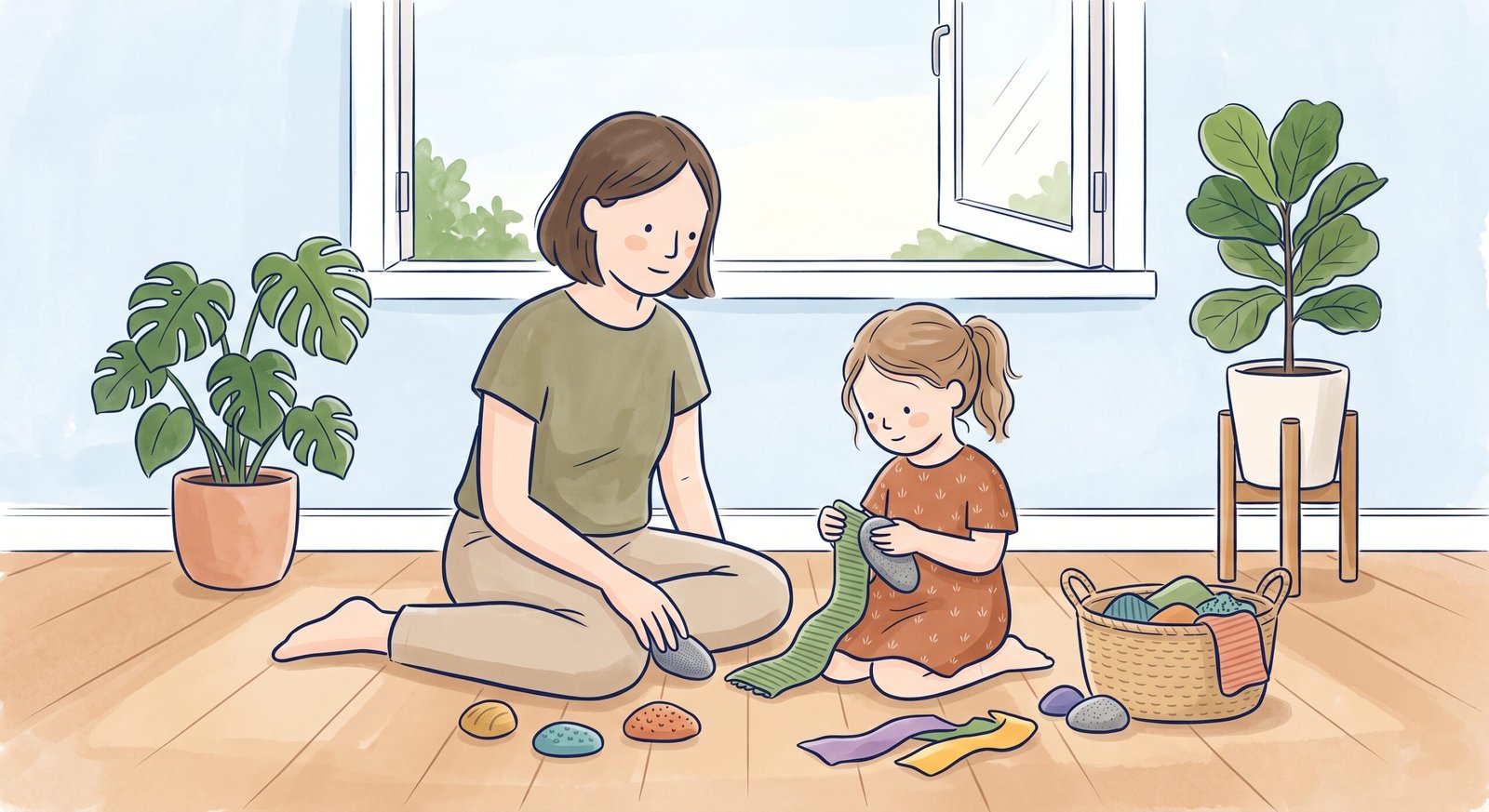
Why Regulation Before Learning Matters on Hard Days
Practising regulation before learning began for me not in a university lecture classroom, but on the floorboards of our Melbourne home on a cold Tuesday morning.
The preschool bag was packed near the front door, my tea had gone stone cold on the kitchen bench, and my four-year-old daughter was curled in a tight ball under the dining table. One shoe was on. The other was somewhere behind the sofa.
I had already tried my gentle educator reminders. I had used visual countdowns. When none of that worked, my own ADHD nervous system started racing. In those moments, my reflex used to be talking faster: “Darling, we only have four minutes left. Just put your shoe on so we can go.”
Every time I tried that approach, her shoulders locked. Her hands flew over her ears and she screamed. She was not being stubborn. She was not defying me for the sake of it. She had hit an absolute biological wall where regulation before learning was the only path forward.
Traditional educational guidance treats listening as a simple act of obedience that you can manage through rewards, star charts, or stern reminders.
Living through ADHD myself while raising a neurodivergent daughter showed me that typical expectations fall over when stress escalates. When a young child feels overwhelmed, their capacity to take in language drops away entirely.
Read about how lived experience reshaped my teaching practice on our how this began reflection page.
The Neurobiology Behind Regulation Before Learning
Why does regulation before learning matter so deeply from a neurological standpoint? When children feel threatened by sensory overload, rapid transitions, or performance demands, the thinking brain temporarily switches off.
Dr Stephen Porges introduced the concept of neuroception to explain how our autonomic nervous system constantly scans our surroundings without our conscious control. It evaluates sounds, lighting, body language, and physical tension to decide whether a situation is safe or threatening.
For a neurodivergent child dealing with sensory sensitivities or ADHD, everyday input like the hum of a split-system air conditioner, scratchy socks, or an unexpected change in routine can trigger a threat response. Their sensory cup fills up quietly until one more spoken request pushes them straight into survival mode.
When a threat triggers the sympathetic nervous system, biological changes make immediate learning impossible:
- Blood Shifts to Survival Centres Oxygen and glucose drain away from the prefrontal cortex—the part of the brain responsible for working memory, language, and following instructions—and rush to the muscles for fight, flight, or freeze.
- Middle Ear Muscles Relax The tiny muscles in the ear adapt to catch low-frequency warning noises instead of human speech. Spoken sentences sound muffled, garbled, or alarming to a child in this state.
- Language Processing Pauses Because survival takes priority over comprehension, asking a dysregulated child to explain their feelings adds cognitive load they cannot handle.
This is why insisting on instruction while a child is distressed never works. Prioritising regulation before learning restores emotional and physiological equilibrium before we introduce instructions.
Misbehaviour or Stress Behaviour: Knowing the Difference
One of the clearest reasons to adopt regulation before learning is understanding the divide between deliberate misbehaviour and stress behaviour, as described by Dr Stuart Shanker in his Self-Reg work.
| Observable Sign | Misbehaviour (Capacity Present) | Stress Behaviour (Nervous System Overwhelmed) |
|---|---|---|
| Awareness | The child is aware of the rule and looks to see how adults respond. | The child looks vacant, glazed over, or panicked. Eye contact drops. |
| Capacity | The child has the energy to follow instructions, but chooses another goal. | The child has drained their regulatory reserves and cannot process demands. |
| Response to Words | A calm, firm boundary or reminder generally guides them back on track. | Talking causes escalation, tears, screaming, running away, or complete shutdown. |
| What Is Needed | Simple limits, predictable routines, and natural consequences. | Regulation before learning, shared calm, sensory reduction, and time. |
Treating a stress response as disobedience only increases the child’s feeling of danger. To see how nervous system states look during meltdown cycles, read our guide on Polyvagal Theory in early childhood meltdowns.
3 Grounded Steps to Practise Regulation Before Learning
Applying regulation before learning does not require expensive tools or complicated charts. It requires calming the environment and lending your own nervous system to steady the child’s.
Here are the 3 practical steps I use at home and share with educators:
Step 1: Lower Demands and Drop Your Height
The second you notice glazed eyes, clenched fists, or escalating distress, pause the task. Put whatever is in your hands down and sit on the floorboards, angled slightly away from the child.
Standing over an overwhelmed child or moving directly into their face can read as an aggressive threat. Sitting side-on, below their eye level, signals that there is no pressure to perform. Stay quiet for the first fifteen seconds to let the room breathe.
Step 2: Low Pitch, Slow Rhythm, Few Words
When adults feel rushed, our pitch rises and our words come faster. To an overstimulated child, this sounds like an alarm siren.
Take a slow breath through your nose and speak in a low, gentle voice using fewer than five words:
- “I am sitting here.”
- “You are safe.”
- “We have time.”
Your vocal tone helps trigger their ventral vagal pathway, which physically slows the heart rate and begins co-regulation before learning can resume.
Step 3: Proprioceptive Grounding (Heavy Work)
Deep physical input through muscles and joints grounds a dysregulated nervous system far faster than spoken logic.
- Firm Palm Pressure Offer a slow, firm squeeze down their arms or through their palms if they accept touch. Light, tentative touches can irritate an already sensitive body.
- Back-to-Back Leaning Sit together on the carpet and lean your back gently against theirs. Firm physical support helps their brain sense where their body ends and the room begins.
- Pushing Down Through the Feet Encourage them to push their bare feet down hard against the timber floorboards as if trying to move the floor. That muscle feedback grounds internal tension quickly.
For more heavy-work ideas for children who crave movement to reset, explore our sensory seeking and proprioception guide.
Regulation Before Learning in Busy Australian Classrooms
Applying regulation before learning in early learning centres with twenty-two active children takes intentional planning, but it prevents the daily exhaustion educators often feel:
- Rethink Group Mat Times Expecting every four-year-old to sit still with hands in their laps for twenty minutes ignores sensory needs. Letting children sit on low stools, lie on their bellies, or hold weighted items respects regulation before learning.
- Create Open Rest Havens A calming space should never be a punishment corner. Keep it accessible with floor cushions, dimmed lights, and noise-muffling earmuffs so children can reset before overload happens.
- Protect Educator Stamina Children reflect the physical arousal of the adults around them. Taking two deep breaths before stepping in protects your own energy and creates real safety.
To see how to adjust rooms without endless paperwork, read our guide on supporting diverse learners without writing twenty separate plans.
How Regulation Before Learning Fits Our Design Approach
In conventional educational frameworks, instruction comes first and children are left to manage their regulation alone. In our neurodivergent learning design approach, that priority is reversed.
This guide demonstrates two foundational pillars of our framework:
Principle 1: Regulation Before Learning. You cannot build motor skills, language comprehension, or social confidence when the nervous system is overwhelmed. Pausing to co-regulate is not wasted time; it is the essential requirement for learning.
Principle 4: Grounded in Real Homes and Classrooms. Support strategies must survive noisy Australian homes and early childhood rooms. If an approach only works in a quiet clinical office, it is not practical for everyday family life.
Start with Our Free Low Frustration Sampler
Designed to reduce cognitive load and support regulation before learning begins.
Download Free SamplerReferences and Further Reading
- Porges, S. W. (2011). The Polyvagal Theory: Neurophysiological Foundations of Emotions, Attachment, Communication, and Self-Regulation. W. W. Norton & Company. Polyvagal Institute
- Shanker, S. (2016). Self-Reg: How to Help Your Child (and You) Break the Stress Cycle and Successfully Engage with Life. Penguin Random House. The MEHRIT Centre
- Australian Children’s Education and Care Quality Authority [ACECQA] (2023). Supporting Children’s Self-Regulation in Early Childhood Education and Care. Quality Area 5: Relationships with Children. ACECQA National Guidelines
- Delahooke, M. (2019). Beyond Behaviours: Using Brain Science and Compassion to Understand and Solve Children’s Behavioural Challenges. PESI Publishing.
Explore More on EarlyChildhoodEduNet
- Return to our framework on Learning Design for Neurodivergent Early Childhood.
- Read about managing evening resistance in our toddler sleep resistance and ADHD guide.
- Learn how presentations are overlooked in our early signs of ADHD in girls resource.
- Manage executive function load while parenting in our guide for parents living with ADHD.