
Signs of ADHD in Girls: 7 Early Clues Parents and Teachers Miss
Signs of ADHD in girls are frequently misunderstood because bright, creative young girls tend to direct their struggles inward rather than acting out in the classroom.
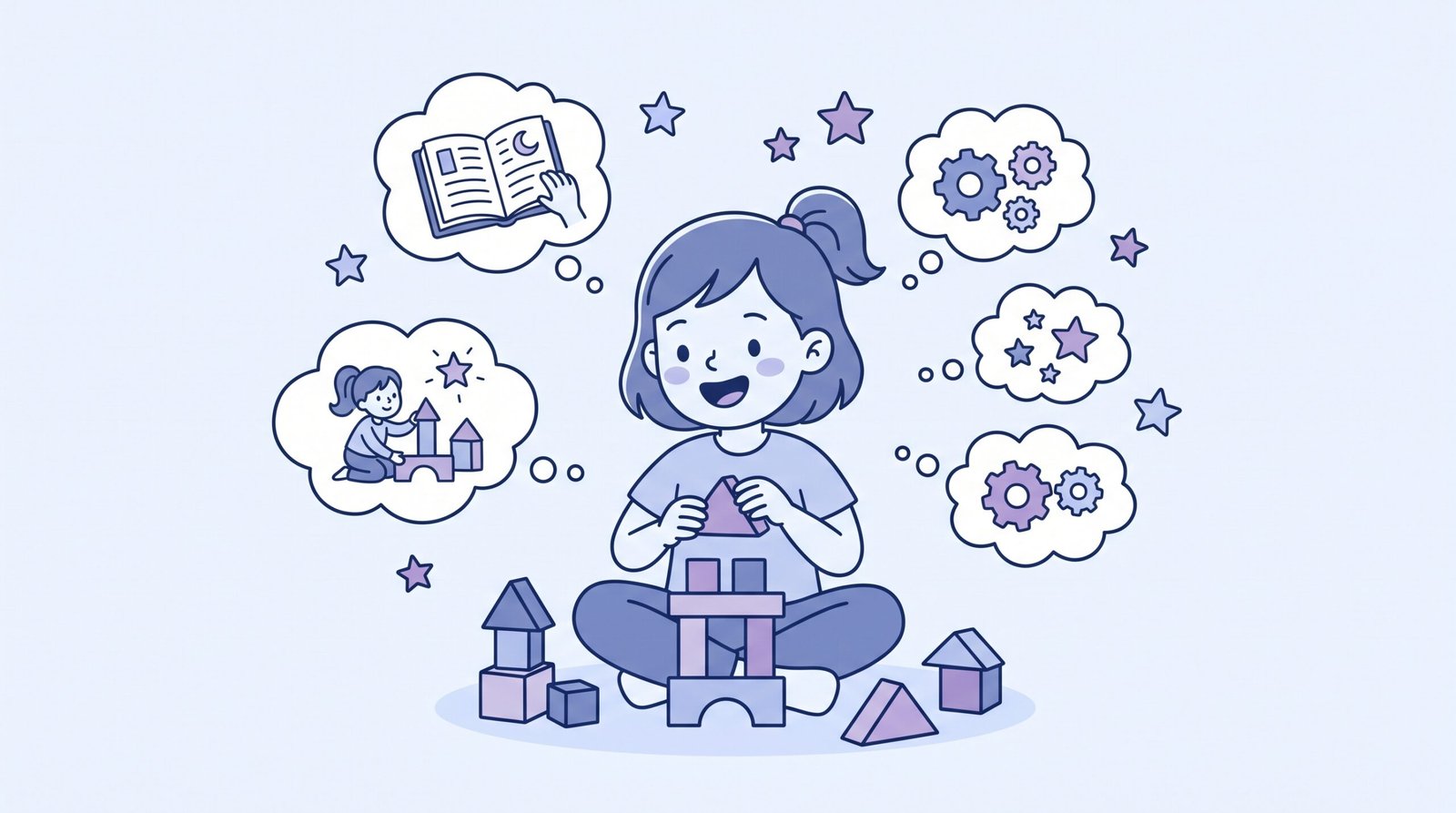
Identifying the early signs of ADHD in girls can be challenging. For decades, developmental assessments relied heavily on disruptive external behaviours typically recorded in boys. Because young girls rarely run across classrooms or kick over furniture, their symptoms are frequently dismissed. Understanding these subtle indicators early is critical to supporting healthy early childhood development.
According to guidance from the Centers for Disease Control and Prevention, ADHD symptoms present across inattentive, hyperactive, and combined presentations. In young girls, hyperactive energy often redirects inward, showing up as emotional tension, intense perfectionism, and deep physical exhaustion.
I know these signs through personal experience. I was diagnosed with ADHD in my forties, and my daughter received her diagnosis in her twenties. For years, both of us experienced intense sensory burnout without having a clinical term for it.
When my daughter was twelve months old, she would clench her teeth with intense force whenever she felt frustrated. By age two, when she could not accomplish a task her mind visualised, she would pull her own hair. Her body never rested, she fought sleep every single night, and she needed deep, crushing hugs to settle down.
Today she is twenty-three, brilliant, and a high achiever. Yet she still relies on last-minute adrenaline rushes to start her morning routine and head to work on time. Her journey taught me that intelligence often masks how hard a girl is working behind the scenes.
Dewi Griffith, PhD, FounderEarly Physical Signs of ADHD in Girls
Before school age, the physical signs of ADHD in girls often look like repetitive physical grounding habits. When internal feelings become overwhelming, a young girl instinctively seeks intense sensory feedback to ground her body.
1. Teeth Grinding and Jaw Clenching
The jaw contains dense proprioceptive receptors. Clenching or grinding teeth during frustration provides strong physical compression to counter an overwhelming emotional flood.
2. Hair Pulling and Skin Picking
When young girls experience big feelings without neurological braking capacity, hair pulling acts as an involuntary physical reset to shock the sensory system back to baseline.
3. Craving Heavy Physical Pressure
Seeking tight swaddles, heavy blankets, or crushing hugs. Firm pressure activates the parasympathetic nervous system, helping an overstimulated child calm down.
4. Bedtime Resistance and Insomnia
A quiet, dark room feels like sensory underload to an active brain. Rather than sleeping, the body releases adrenaline to stay stimulated, making sleep feel unnatural without physical exhaustion.
Behavioural Signs of ADHD in Girls at School
Bright girls often compensate for executive dysfunction through social imitation. They observe classroom peers, memorise expectations, and spend immense energy pleasing adults. Clinical research published on PubMed Central confirms that this compensation, known as masking, often conceals visible signs of ADHD in girls until secondary school or university.
A girl might behave smoothly for six hours at school, but that restraint drains her energy reserves. The hidden signs of ADHD in girls become clear the moment they return to a safe environment:
| What Educators Observe | What Parents Experience at Home |
|---|---|
| Polite and cooperative: Listens well and packs toys away without complaint. | The after-school collapse: The instant she enters the front door, the mask drops, resulting in severe meltdowns over small requests. |
| High verbal ability: Tells detailed stories and articulates thoughts with ease. | Task initiation paralysis: Stalling, crying, or freezing when asked to put shoes on or pack her bag. |
| Seated calmly: Sits still during mat time without disrupting others. | Internal restlessness: Hair twirling, nail picking, or spacing out while looking straight at the educator. |
Recognising Signs of ADHD in Girls and the Adrenaline Loop
Parents often assume a child who delays everyday routines is simply procrastinating. As clinical resources from the Child Mind Institute explain, ADHD brains operate with lower baseline dopamine activity, which regulates motivation and task initiation.
Without sufficient chemical stimulation, beginning an everyday routine feels like moving an immovable object. The brain frequently relies on urgency to bridge this gap. As the deadline nears, the body releases adrenaline, providing the chemical surge needed to take action.
Recognising these signs of ADHD in girls early helps parents create structured visual routines rather than relying on anxiety and time pressure as the primary motivators.
Practical Ways to Support Signs of ADHD in Girls at Home
5. Support Transition Delays
Give her body time to switch focus. Walk over, make gentle contact, and complete the first physical step together instead of calling instructions from across the room.
6. Integrate Proprioceptive Heavy Work
Help calm evening restlessness through physical resistance. Carrying laundry baskets, pushing cushions, or firm bedding tuck-ins ground the sensory system before sleep.
7. Validate Big Emotional Responses
When minor setbacks cause distress, avoid dismissing the feeling. To an overloaded nervous system, disappointment feels immediate. Offer a steady, calm presence first, advice second.
Separate Self-Worth from Organisation
Remind her that struggling with memory or organisation does not define her character. Normalise that some brains simply need visual cues and clear checklists to thrive.
Download the Free Calm Observation Tracker
Keep a gentle, stress-free record of your daughter’s sensory patterns, transition hurdles, and moments of calm. A clear record to bring along to your family doctor, paediatrician, or occupational therapist.
Get the Free Observation TrackerReferences and Scholarly Resources
- Ayres, A. J. (2005). Sensory Integration and the Child: Understanding Hidden Sensory Challenges. Western Psychological Services.
- Barkley, R. A. (2012). Executive Functions: What They Are, How They Work, and Why They Evolved. Guilford Press.
- Nadeau, K. G., Littman, E. B., & Quinn, P. O. (2015). Understanding Girls with ADHD: How They Feel and Why They Do What They Do (2nd ed.). Advantage Books.
- Porges, S. W. (2011). The Polyvagal Theory: Neurophysiological Foundations of Emotions, Attachment, Communication, and Self-Regulation. W. W. Norton & Company.
- Quinn, P. O., & Madhoo, M. (2014). A review of attention-deficit/hyperactivity disorder in women and girls: Uncovering this hidden diagnosis. The Primary Care Companion for CNS Disorders, 16(2).
This article is for informational and educational support based on lived parenting experience, peer-reviewed early childhood research, and clinical training frameworks. It does not replace medical diagnosis. If you notice persistent challenges in your daughter’s daily routines, consult a qualified paediatrician, psychologist, or occupational therapist.