
Fine Motor Skills: 7 Easy, Playful Ways to Build Strong, Confident Hands at Home
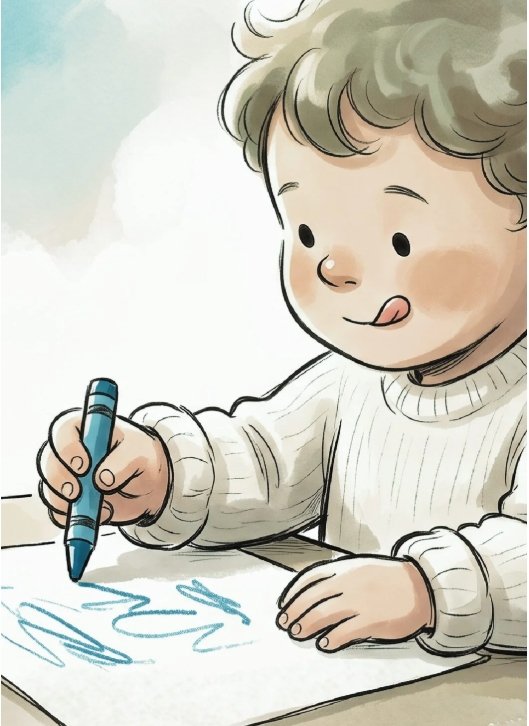
Fine motor skills are the small, careful movements of the hands and fingers that let children pick up a pea, hold a crayon, snip with scissors, do up a button and, one day, write their name. They don’t start at the fingertips. They grow from a steady body and strong shoulders, through playful hands, and only then into pencil work.
This hub brings together every fine motor guide on the site. It explains how hand skills develop, what the research says, a table of skills by age, the seven building blocks with links to each full guide, everyday fine motor activities, tips for neurodivergent children, when to seek help, a free printable Fine Motor Play Menu and twelve free PDFs.
Before a child can hold a pencil comfortably, they need strong shoulders, a steady body and hands that have squeezed, poured, pegged and dug many, many times.
- How This Page Helps Parents
- Small Hands in Our House
- What Are Fine Motor Skills?
- Why Fine Motor Skills Grow From the Inside Out
- What the Research Says
- Fine Motor Skills by Age
- The 7 Building Blocks, With Full Guides
- Everyday Fine Motor Activities
- Big Body Play That Builds Small Hands
- Tracing Without Tears
- Neurodivergent Children and Fine Motor Skills
- For Educators
- When to Seek Help
- Free Printable: Fine Motor Play Menu
- More Free PDFs
- FAQs
How This Fine Motor Skills Hub Helps Parents
There are seven detailed fine motor guides on this site, plus lots of related play ideas and printables. This hub is the map. It will help you:
- Understand the big picture: how fine motor skills grow, and why pencil skills come last.
- See where your child is: with a simple age table, without turning it into a test.
- Pick the right next guide: pincer grasp, hand strength, pencil control, grip, scissors, letter formation or self care.
- Find free printables that fit, each linked where it’s useful, plus a new Fine Motor Play Menu PDF to plan a week of hand play.
Small Hands in Our House
A few of our family moments come back to me when I think about hands. Bella, who showed signs of ADHD from babyhood, was a natural storyteller. But when a pencil touched the table, her shoulders lifted and her breathing went short. The ideas were there. Getting them onto paper was the hard part. That’s part of why I wrote visual storytelling for children who avoid writing.
Then there was the shoe game, which we played in Indonesia and again in Melbourne, and Zara’s first Prep uniform in 2011. Both live in our self dressing skills guide. And in our Melbourne backyard, Zara at five played at a mud kitchen with her big sister Bella, which you can read about in mud kitchen play ideas.
None of that looked like “fine motor practice” at the time. It looked like play and everyday life. That’s exactly how fine motor skills grow best.
What Are Fine Motor Skills?
Fine motor skills are the small, controlled movements of the hands and fingers, usually working together with the eyes. They include:
| Part of fine motor skills | What it means | You’ll see it when your child… |
|---|---|---|
| Hand strength | Strong muscles in the palm and fingers | Squeezes playdough, opens containers, uses pegs |
| Pincer grasp | Picking up small things between thumb and finger | Picks up sultanas, beads or small blocks |
| Finger isolation | Moving one finger on its own | Points, pokes holes in playdough, presses buttons |
| Bilateral coordination | Both hands working together, each doing a different job | Holds paper with one hand and cuts with the other |
| Hand eye coordination | Eyes guiding the hands | Threads beads, pours water, colours a shape |
| Pencil control | Guiding a tool to make a mark where you want it | Draws circles, crosses and, later, letters |
Why Fine Motor Skills Grow From the Inside Out
Hand skills don’t start at the fingertips. Occupational therapists often describe development moving from the centre of the body outwards: a steady trunk, then strong shoulders, then elbows and wrists, and finally the small muscles of the hand.
That’s why a child who slumps across the table, grips the pencil with white knuckles or gets tired after two minutes of colouring often isn’t being lazy. Their body may still be building the stability and endurance that fine motor work relies on. Raising Children Network notes that young children build hand and eye coordination naturally through everyday play, long before formal handwriting begins.1
So the best fine motor activities for a wobbly writer are often big ones: climbing, crawling, carrying, pushing and animal walks. See big body play that builds small hands below.
What the Research Says About Fine Motor Skills
Fine Motor Skills Are Linked to School Readiness
David Grissmer and colleagues analysed several large studies and found that fine motor skills measured at school entry were linked with later reading and maths achievement.2 They suggested fine motor skills should be counted alongside attention and early academic skills as part of school readiness.
Fine Motor Skills and Thinking Skills Work Together
Claire Cameron and colleagues found that both fine motor skills, especially copying designs, and executive function contributed to children’s achievement in their first year of school.3 In other words, hands and thinking grow side by side. Our post on executive function and early literacy covers the thinking side.
Moving Bodies Need Daily Play
Australia’s 24 hour movement guidelines suggest children aged 3 to 5 spend at least three hours a day being physically active, including an hour of energetic play.4 All that climbing and carrying builds the shoulder and core strength that fine motor skills need.
A note on the evidence: these studies show links, not proof that fine motor practice causes better reading or maths. Children develop at different rates, and many children with slower fine motor skills do very well. The ideas on this page come from this research, occupational therapy guidance and everyday family and classroom experience.
Fine Motor Skills by Age
This is a loose guide, not a checklist. Many children, especially neurodivergent children, have uneven profiles. Our post on why milestones don’t fit neurodivergent children explains why.
| Age | What you might see | Play that helps |
|---|---|---|
| Around 2 | Scribbles, stacks a few blocks, turns chunky pages, picks up small things | Playdough, posting boxes, water play, big crayons |
| Around 3 | Copies a circle, snips with scissors, threads big beads, holds a crayon with fingers | Pegs, tongs, threading, tearing paper |
| Around 4 | Copies a cross, cuts along a line, draws a simple person, does big buttons | Scissors, button practice, drawing, lacing cards |
| Around 5 | Copies a square and some letters, writes their name, cuts simple shapes | Letter play, cutting shapes, small construction toys |
| Around 6 | Writes most letters, ties shoes with help, cuts more carefully | Real writing for real reasons, crafts, cooking |
The 7 Building Blocks of Fine Motor Skills, With Full Guides
Each card below links to a full guide with step by step activities, printables and tips. Start with the one that matches what you’re seeing at home.
Pincer Grasp Activities
What the pincer grasp is, why it comes before pencil holding, and everyday ways to strengthen thumb and finger control.
Hand Strength Activities
Why strong palms and fingers matter before pencil work, and simple squeeze, push and pull games.
Pencil Control Activities
Grip stages, playful practice and kitchen table setups for confident marks.
How to Hold a Pencil
How grips naturally progress, gentle adaptations and ways to reduce hand tiredness.
Scissor Skills by Age
From first snips to cutting shapes, and how both hands learn to work together.
Letter Formation
Why where a letter starts matters, and playful ways to learn letter shapes.
Buttoning, Zipping and Self Dressing
How getting dressed builds finger strength and independence, with a getting dressed steps printable.
Fine Motor Skills for Neurodivergent Preschoolers
Adapting fine motor expectations for ADHD and autistic children with sensory differences or motor tiredness.
Everyday Fine Motor Activities at Home
You don’t need special kits. Most fine motor activities are already in your kitchen, laundry and backyard.
| Where | Fine motor activities | Builds |
|---|---|---|
| Kitchen | Spreading, pouring, stirring, tearing lettuce, peeling a mandarin | Hand strength, both hands together |
| Laundry | Pegging washing, matching socks, folding face washers | Pincer grasp, hand strength |
| Bath and sink | Squeezing sponges, pouring cups, filling bottles | Hand strength, hand eye coordination |
| Craft table | Tearing paper, sticking, threading pasta, playdough | Finger control, strength |
| Backyard | Digging, mud kitchen, picking up leaves, chalk drawing | Strength, shoulder stability |
| Getting dressed | Buttons, zips, velcro, socks, shoes | Both hands together, independence |
For more ideas, see practical life activities at home, sink water play, low mess sensory bins, number sense playdough mats and cardboard box activities. The full list of home play ideas is in preschool activities for home.
Big Body Play That Builds Small Hands
Strong shoulders and a steady core give the hands a stable base. These gross motor games quietly support fine motor skills:
Heavy Work
Carrying shopping bags, pushing a washing basket, wall pushes and tug of war. The free Pocket Heavy Work Cards have quick ideas, and the heavy work cards guide explains why they help.
Animal Walks and Crawling
Bear walks, crab walks and wheelbarrow walks put weight through the hands and shoulders. See animal walks.
Obstacle Courses and Playground Games
Climbing, hanging, hopping and balancing build the core. Try an indoor obstacle course, hopscotch or classic playground games.
Draw on Walls, Windows and Easels
Drawing on an upright surface, like an easel, a window with a whiteboard marker or paper taped to the wall, builds wrist and shoulder strength. Chalk on the footpath counts too.
Tracing Without Tears: A Gentle Approach to Fine Motor Skills on Paper
Worksheets are optional for preschoolers. When children are ready and interested, short, playful tracing can be a nice extra. Traditional drills, tracing the same letter over and over, often cause frustration, especially for reluctant writers and neurodivergent children.
What helps
Big paths before small ones, clear starting points, a story or picture to make it meaningful, black and white pages with little clutter, and stopping after one or two sheets.
What to skip
Pages of repeated letters, tiny lines, timing, correcting every wobble, and tracing at the end of a long day when hands and bodies are tired.
Free A to Z Tracing and Pre Writing Pages
Wobblin alphabet tracing sheets, A to M and N to Z, plus pre writing paths and name practice. Free to download in A4 and US Letter.
Get the Free Tracing PagesIf tracing brings tears, put it away for a while. Our visual storytelling and emergent literacy guides show how drawing, talking and invented spelling build writing without pencil drills.
Neurodivergent Children and Fine Motor Skills
Many ADHD and autistic children have uneven fine motor skills. Some are strong in one area and need more time in another. Others find fine motor work tiring because of sensory needs, attention or low muscle tone.
ADHD
Short bursts, movement first, and fine motor play that feels like a game. Let them stand at an easel or lie on the floor.
Autistic children
Clear steps, predictable materials and warning before messy play. Some children dislike sticky textures, so offer tools like tongs or gloves.
Sensory seekers
Heavy work and resistive play like thick playdough, clay and squeeze bottles. See sensory seeking and proprioception.
Children who tire quickly
Short sessions, chunky tools, sloped surfaces and lots of praise for effort. A calm space helps; see sensory friendly literacy.
Our full guide, fine motor skills for neurodivergent preschoolers, goes deeper. Remember that regulation comes before learning: a calm body makes careful hands possible.
Fine Motor Play in Early Learning Rooms
Educators can weave fine motor play through the whole day, so children practise without anyone sitting at a worksheet:
- Set up a fine motor tray each morning with tongs, pegs, playdough tools or threading, and change it every week.
- Put easels, chalkboards or paper taped to walls in the room, so drawing happens standing up as well as at the table.
- Let children help with real jobs: pouring water at morning tea, wiping tables, sorting resources.
- Offer scissors and scrap paper at the craft table every day, with a “snipping box” for the youngest children.
- Watch who avoids the fine motor areas, and gently bring those activities to the places they already love, like the sandpit or block corner.
- Share what you notice with families, so home and room can work together. The free Home and Kinder Snapshot makes this easy.
Low cost materials work just as well as bought kits. See low cost sensory classroom setup for budget ideas.
When to Seek Help With Fine Motor Skills
Talk to your GP, Maternal and Child Health nurse or an occupational therapist if your child:
- avoids hand activities like drawing, playdough or puzzles most of the time
- seems much less coordinated than children of a similar age
- has trouble with everyday tasks like feeding, dressing or opening containers
- uses one hand only and avoids using the other
- gets very upset or exhausted by drawing, cutting or writing
- loses skills they had before
An occupational therapist can assess fine motor skills and suggest play based strategies for home and kinder or school.
Free Printable: Fine Motor Skills Play Menu
A week of hand play in four columns: big body first, strong hands, clever fingers and both hands together. Pick one from any column each day and tick it off.
Download the Free PDFOur Fine Motor Play Menu
Big body first. Then busy hands. One a day is plenty.
How to Use the Fine Motor Play Menu
- Print one menu a week and stick it on the fridge or near where your child plays.
- Each day, let your child choose one activity from any column. If they’re wriggly or tired, start with something from Big Body First.
- Play for five to ten minutes, then tick the activity and write a word or draw a star under that day.
- Add your own family ideas in the “Our idea” boxes, like the mud kitchen or pegging the washing.
- At the end of the week, look at which columns got the most ticks. If one column stays empty, try one of those next week.
More Free PDFs for Fine Motor Skills
Alphabet Tracing A to M
Big, clear letter paths for the first half of the alphabet.
Download A4 PDF Building block 6Alphabet Tracing N to Z
The second half of the alphabet, same calm layout.
Download A4 PDF Building block 6Pre Writing Paths and Name
Lines, curves and name practice before letters.
Download A4 PDF Building block 3Number Sense Playdough Mats
Roll, squash and count from 1 to 10.
Download PDF Building block 2Pocket Heavy Work Cards
Push, pull and carry for strong shoulders.
Download PDF Big body playLetter Hunt (SATPIN)
Find, circle and colour the first six letters.
Download A4 PDF Pencil controlThree Picture Story
Big boxes for drawing a story with crayons.
Download PDF For reluctant writersWays to Make 5 and 10
Pegs, buttons and small objects for counting.
Download PDF Building block 1Fine Motor Play Menu
Four columns of hand play and a week to tick off.
Download PDF Use with: everyday activitiesWhat I’m Noticing Diary
Track hand skills and what helps over time.
Download PDF For parentsMore free tools are on our printables page and the alphabet tracing worksheets page.
Looking Back
A shoe game, a first Prep uniform, a backyard mud kitchen and a pencil that felt too heavy. Looking back, the girls’ fine motor skills grew mostly in moments that didn’t look like learning at all. If your child isn’t ready for the pencil yet, that’s okay. Give them dough to squeeze, pegs to pinch, mud to dig and time. The writing will come.
- Patterns and shapes: pattern activities and shapes and colours
- Uneven skills: spiky profiles
- Spelling: invented spelling
- Literacy: early literacy hub
- Routines: free daily routine template
- Mud and outdoors: mud kitchen play ideas
- The bigger picture: child development
- About me: how this began
Fine Motor Skills FAQs
What are fine motor skills?
Fine motor skills are the small, controlled movements of the hands and fingers, working with the eyes. They let children pick up small things, hold a crayon, use scissors, do up buttons, feed themselves and, later, write. They grow from a steady body, strong shoulders and lots of hands on play.
How can I build my child’s fine motor skills at home?
Use everyday play: squeezing playdough, tearing paper, pegging washing, pouring water, threading pasta, picking up small things with tongs, cutting with child safe scissors and helping with real jobs like spreading and wiping. Big movement play like climbing and animal walks builds the shoulder strength that hands rely on.
Should my preschooler be doing tracing worksheets?
Worksheets are optional. Most fine motor skills grow faster through play, real jobs and drawing. If your child enjoys tracing, short, playful sheets with big paths are fine. If tracing causes tears, put it away for a while and focus on hand strength and play.
Why does my child grip the pencil so tightly or get tired quickly?
A tight grip or quick tiredness often means the hand, wrist or shoulder muscles are still building strength and endurance. Hand strength play, big movement and short sessions usually help more than correcting the grip.
When should I worry about fine motor skills?
Talk to your GP, Maternal and Child Health nurse or an occupational therapist if your child avoids hand activities, seems much less coordinated than peers, has trouble with everyday tasks like feeding or dressing, loses skills, or gets very upset by drawing and cutting.
Research and guidance: Raising Children Network on early hand and eye coordination, Grissmer and colleagues on fine motor skills and school readiness, Cameron and colleagues on fine motor skills and executive function, and the Australian 24 hour movement guidelines.
Experience: Bella’s tension around the pencil, the shoe game in Indonesia and Melbourne, Zara’s first Prep uniform and the Melbourne backyard mud kitchen with Zara and Bella are real family memories, each told in full in its own guide. The age table, activity tables and play menu come from family life and my work in early childhood education, not from a single study.
This is educational content, not medical or occupational therapy advice. Last reviewed: 10 November 2026.
References
- Raising Children Network. (n.d.). 3 to 4 years: Preschooler development. https://raisingchildren.net.au/preschoolers/development/development-tracker/3-4-years
- Grissmer, D., Grimm, K. J., Aiyer, S. M., Murrah, W. M., & Steele, J. S. (2010). Fine motor skills and early comprehension of the world: Two new school readiness indicators. Developmental Psychology, 46(5), 1008-1017.
- Cameron, C. E., Brock, L. L., Murrah, W. M., Bell, L. H., Worzalla, S. L., Grissmer, D., & Morrison, F. J. (2012). Fine motor skills and executive function both contribute to kindergarten achievement. Child Development, 83(4), 1229-1244.
- Australian Government Department of Health. (2017). Australian 24 hour movement guidelines for the early years (birth to 5 years). Commonwealth of Australia.