
Visual Storytelling for Neurodivergent Writers
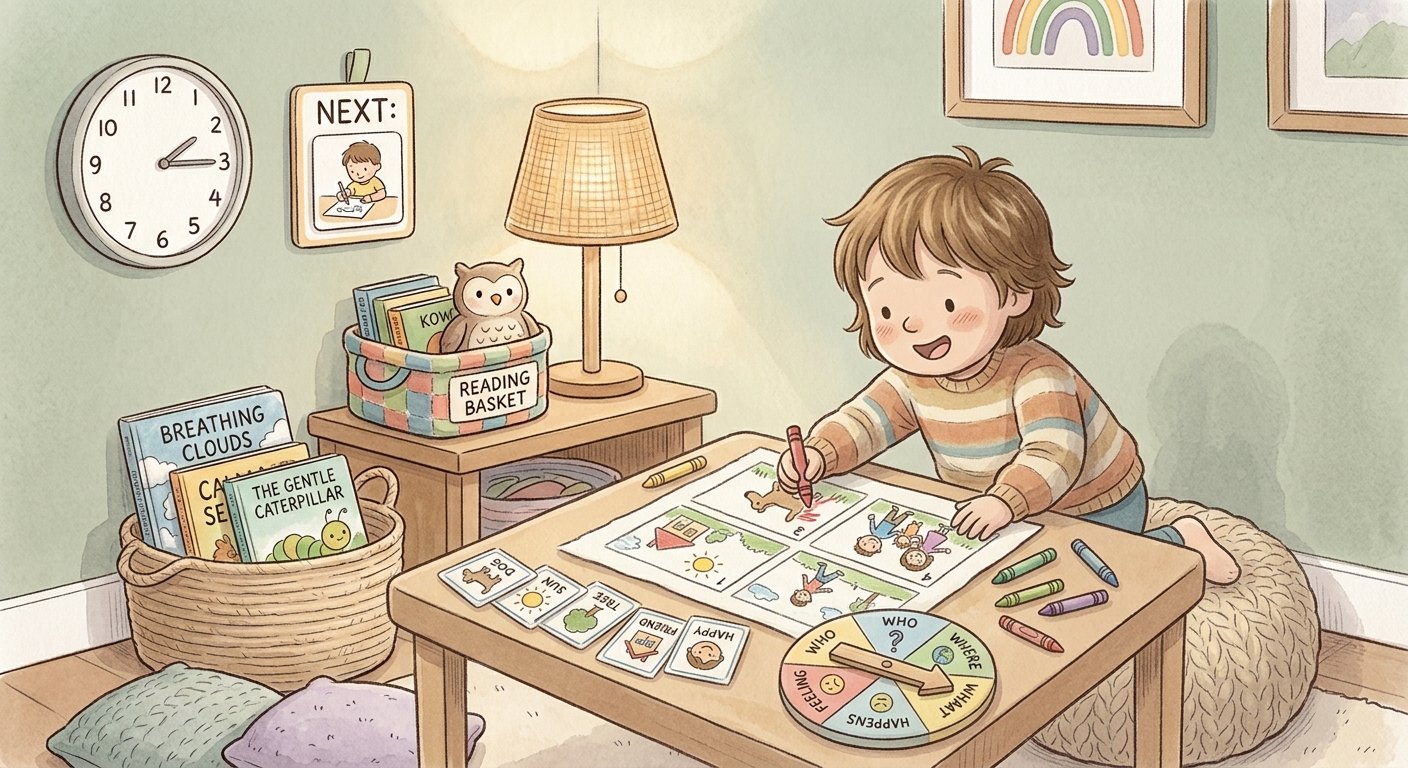
Visual storytelling entered our home long before I understood why my child found writing so difficult. They were a natural storyteller. They narrated their play, created characters, and built entire worlds in their imagination. Their ideas were bright and full of life. Yet the moment a pencil touched the table, everything changed. Their shoulders lifted. Their breath shortened. Their eyes drifted away from the page. It was as if the joy of their ideas suddenly became too heavy to carry.
I used to think they were avoiding writing. Over time I realised they were avoiding the feeling that writing created inside their body. Many neurodivergent children experience this. They can talk endlessly, but the act of writing feels like a mountain. It is not the story that overwhelms them. It is the process.
Why Visual Storytelling Helps Neurodivergent Writers
Writing asks a child to do many things at once. They must think of an idea, remember it, plan how to express it, form the letters, hold the pencil, stay regulated, and manage the pressure of spelling. Organisations such as Understood explain how executive function and working memory challenges can make this combination feel exhausting. Autistic children may feel a strong pull toward perfection, which makes writing feel risky. ADHD children often think faster than they can write, which creates frustration. Children with sensory sensitivities may find pencil control uncomfortable, something explored further in our pencil control activities.
When all of these layers sit on top of each other, writing becomes more than a literacy task. It becomes an emotional one.
How Visual Storytelling Supports Expression
Visual storytelling gently removes the pressure that writing creates. Instead of beginning with words, children begin with images. A picture feels lighter. It feels safer. It gives the child a way to express their ideas without worrying about spelling or handwriting. This approach mirrors the drawing story routine described in our EAL drawing story post, where children communicate freely because the medium feels comfortable.
Many neurodivergent children think in images before they think in words. When they draw, their ideas flow. Their nervous system settles. Their confidence grows. Once the story exists visually, writing becomes a small step rather than a leap.
A Visual Storytelling Moment at Home
One afternoon, my child sat quietly with crayons and drew three small scenes. A character standing under a tree. A tiny house with a warm light inside. A path leading toward something unknown. When they finished, I asked what was happening in the pictures. They told me a complete story. It had a beginning, a middle, and an end. It had emotion and intention. It had structure.
Then I asked if they wanted to write one sentence about the first picture. They nodded. The fear was gone. The pressure was gone. The story already existed. Writing was no longer the starting point. It was simply a way to add a little more detail to something they had already created.
Five Gentle Visual Storytelling Ideas
Visual storytelling can be woven into daily life in simple ways. You might invite your child to draw three small pictures that show a beginning, a middle, and an end. You might encourage them to add a speech bubble to a character, which often feels easier than writing a full sentence. You might ask them to draw a scene and add just one written word. These small steps build confidence without overwhelming the child.
These routines connect naturally with our Storytelling Wheel, which helps children organise ideas in a gentle and playful way. They also support invented spelling, which reduces pressure for children who worry about correctness.
How Visual Storytelling Builds Writing Confidence
Visual storytelling builds the same foundations that writing needs. Children learn how stories move from one moment to the next. They learn how characters feel and why they act. They learn how settings shape the story. They learn how ideas connect. All of these skills support writing later on, but without the pressure that often makes neurodivergent children freeze.
It also strengthens the child’s sense of authorship. When a child feels like a creator, writing becomes an extension of their ideas rather than a test of their abilities.
When Avoidance Shows Strength
Many neurodivergent children avoid writing not because they lack ideas, but because they care deeply about the quality of those ideas. They want the story to match the picture in their mind. Writing feels too slow or too limiting. Visual storytelling honours this inner world. It lets children express their ideas fully before asking them to write anything down.
Internal Links
You may find these related posts helpful. Our pencil control activities support children who find handwriting tiring. Our drawing story routine helps multilingual children express ideas visually. Our invented spelling post reduces spelling anxiety. Our gentle literacy guide helps families keep writing joyful.