
Literacy Confidence Starting Line Support for Neurodivergent Children
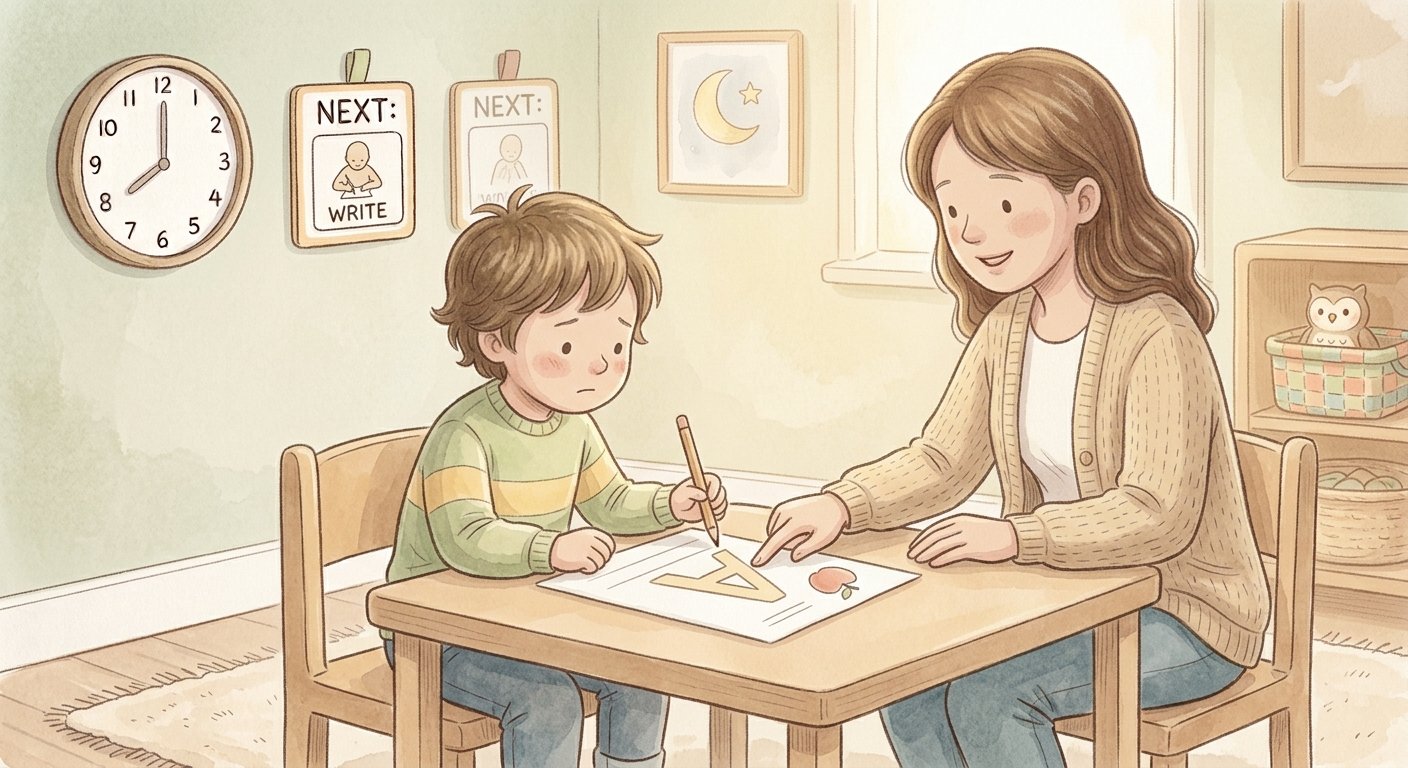
Literacy confidence starting line support begins long before a child opens a book. Many neurodivergent children pause at the beginning of a reading or writing task. They hesitate. They look away. They shift their body. They say later. They say not now. They say I do not know how to start. This pause is not avoidance. It is not defiance. It is not a lack of interest. It is a moment of emotional and cognitive overwhelm. When we understand this pause, we can support children gently and help them build literacy confidence at the starting line.
Based on guidance from Early Childhood Australia, emotional readiness is one of the strongest predictors of early literacy engagement. When a child feels safe, calm, and connected, they begin tasks more easily. When a child feels overwhelmed, their nervous system signals danger, and the pause becomes longer. Literacy confidence starting line routines help children feel ready to begin.
Why Children Pause at the Starting Line
Many neurodivergent children experience difficulty with task initiation. According to Understood, task initiation means being able to start an activity without feeling overwhelmed. This challenge is common in children with ADHD, autism, anxiety, and sensory processing differences. The pause at the starting line is a sign that the child needs more emotional support before beginning.
Cognitive load also plays a role. Understood explains that cognitive load is the amount of mental effort required to process information. Reading and writing require significant cognitive effort. When cognitive load feels too heavy, children pause. Literacy confidence starting line routines help reduce cognitive load so children can begin more easily.
Sensory sensitivity can also contribute. The National Autistic Society notes that sensory overwhelm can make learning tasks feel difficult to start. Bright lights, loud sounds, uncomfortable seating, or visual clutter can increase the pause. Creating a calm environment helps children feel ready to begin.
What Literacy Confidence Starting Line Support Looks Like
Literacy confidence starting line support is gentle. It is slow. It is connected. It does not rush the child. It does not pressure the child. It does not push the child into reading before they feel ready. Instead, it helps the child settle their nervous system so they can begin with confidence.
The routine begins with connection. The adult sits beside the child. The adult breathes slowly. The adult speaks softly. The adult offers a sensory anchor such as a soft toy or a small blanket. The adult helps the child feel safe. When the child feels safe, the pause becomes shorter.
Literacy confidence starting line routines also include emotional validation. The adult says, I see you are thinking about starting. I am here with you. We will begin together. This helps the child feel supported rather than alone.
A Step by Step Literacy Confidence Starting Line Routine
I want to describe a full literacy confidence starting line routine so you can picture it and use it at home. This routine is gentle, simple, and deeply effective for neurodivergent children.
We begin in a quiet space. The lights are soft. The room feels calm. I sit beside the child. I do not place the book in front of them yet. I simply sit with them. I breathe slowly. I let my calm become their calm.
I say, we are getting ready to read. We are not starting yet. We are just getting ready. This helps the child transition into the task without pressure. Many neurodivergent children need time to shift from one state to another. Literacy confidence starting line routines honour that need.
I offer a sensory anchor. I say, would you like to hold your soft toy while we get ready. They nod. They hold the toy. Their hands become busy in a gentle way. Their breath slows. Their shoulders soften.
I place the book beside us. I do not open it yet. I say, the book is here. We will open it soon. This helps the child feel prepared. It reduces cognitive load by giving them time to adjust.
When the child feels calm, I open the book slowly. I show the first page. I do not begin reading. I simply show the page. I say, this is the beginning of the story. The child leans closer. Their eyes settle. Their breath stays steady.
Only when the child feels ready do I begin reading. I read slowly. I pause often. I watch their face. I watch their breath. I watch their hands. Literacy confidence starting line routines follow the child’s state rather than the book’s pace.
If the child becomes unsettled, I pause. I breathe. I say, I am here. We return to calm together. Then we continue.
Seven Gentle Ways to Build Literacy Confidence at the Starting Line
Once the routine feels comfortable, you can explore more gentle ideas. These ideas help children feel confident before beginning reading or writing tasks.
1. Begin with connection rather than reading
Sit beside the child. Breathe slowly. Speak softly. Help them feel safe before introducing the book.
2. Use sensory grounding
Offer a soft toy, a blanket, or a gentle fidget. Sensory grounding helps children feel steady before beginning.
3. Reduce cognitive load
Begin with familiar books. Use short reading moments. Keep the environment simple.
4. Validate the pause
Say, I see you are thinking about starting. I am here with you. Validation helps children feel understood.
5. Use visual cues
Show the book before reading. Show the first page before beginning. Visual cues help children feel prepared.
6. Begin with shared reading
Read together. Let the child listen first. Shared reading helps children feel supported.
7. Celebrate small beginnings
Celebrate when the child begins. Celebrate when they turn a page. Celebrate when they listen. Small beginnings build confidence.
How Literacy Confidence Starting Line Support Builds Skills
Literacy confidence starting line routines help children begin tasks more easily. They reduce overwhelm. They support emotional readiness. They help children feel safe. When children feel safe, they learn more easily.
These routines also support executive function. According to Understood, executive function skills help children plan, begin, and complete tasks. Literacy confidence starting line routines strengthen these skills gently.
Internal Links
You may find these related posts helpful. Our gentle phonics guide supports children who learn differently. Our visual storytelling post helps children express ideas before writing. Our co regulation reading routine helps children settle before literacy. Our sensory friendly literacy moments help children who feel overwhelmed.