
Coregulation Reading Neurodivergent Support for Early Literacy
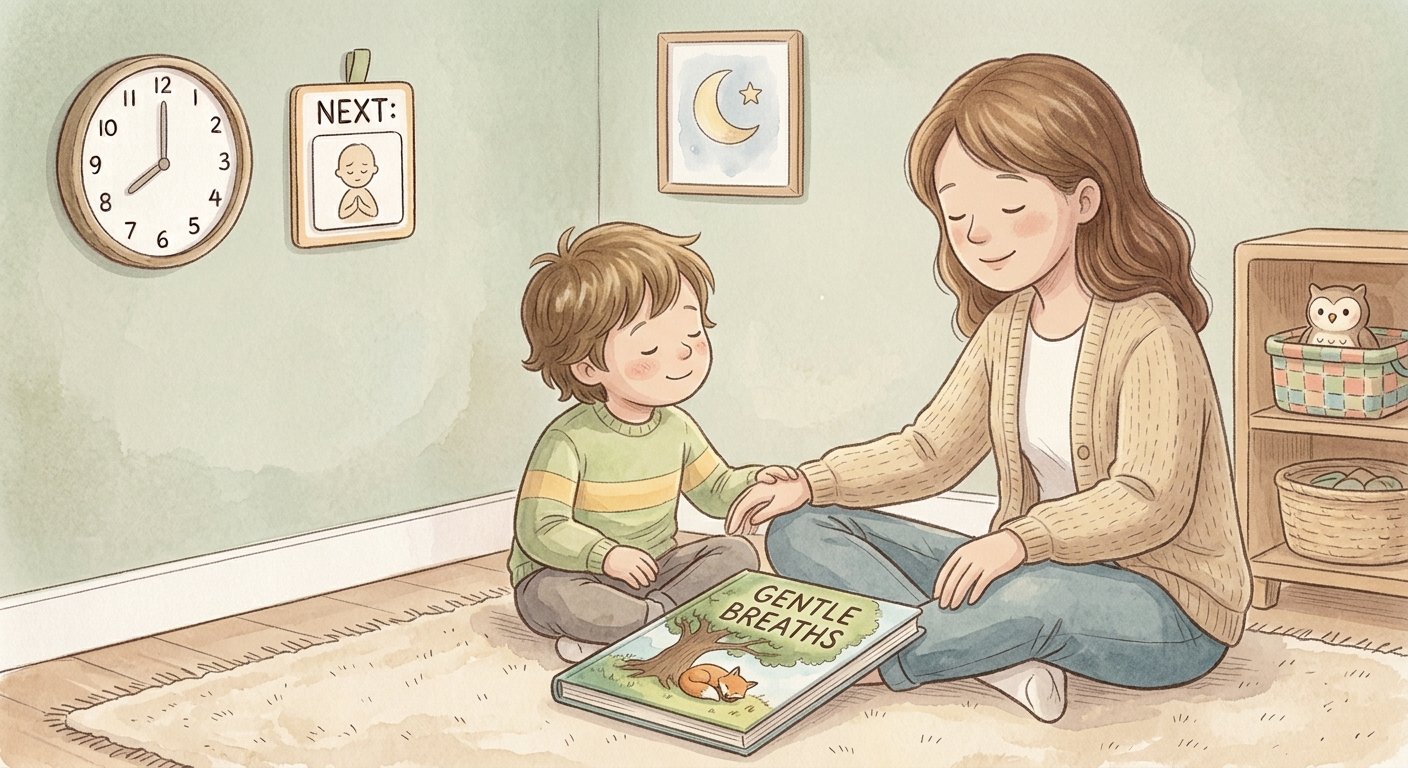
Coregulation reading neurodivergent routines became part of our home long before I understood how deeply they shaped literacy. I used to think reading was simply about books and words. Over time I realised that reading begins in the body. A child cannot take in a story when their nervous system feels unsettled. They cannot listen when their breath is tight. They cannot enjoy a book when their mind is racing. Coregulation reading neurodivergent support helps children arrive in a calm and connected state before literacy begins.
Many neurodivergent children struggle with reading not because they dislike stories, but because their bodies are not ready for the experience. Based on guidance from Early Childhood Australia, emotional regulation is one of the strongest predictors of early literacy engagement. When a child feels safe, calm, and connected, reading becomes a moment of joy rather than a moment of pressure.
What Coregulation Reading Neurodivergent Support Means
Coregulation reading neurodivergent support begins with understanding the term coregulation. Based on guidance from Early Childhood Australia, coregulation means the adult helps the child settle their nervous system through shared presence, gentle rhythm, and emotional connection. It is not about telling the child to calm down. It is about the adult becoming calm first so the child can follow.
The nervous system is the part of the body that manages stress, comfort, and emotional readiness. When a child feels regulated, their breath slows. Their shoulders soften. Their eyes settle. Their mind becomes open to stories. When a child feels dysregulated, reading becomes difficult because their body is busy managing discomfort rather than taking in language.
Sensory grounding is another helpful term. According to the National Autistic Society, sensory grounding means giving the child a physical sensation that helps them feel steady, such as a soft toy, a blanket, or gentle pressure. Sensory grounding helps children feel safe in their bodies before reading begins.
Emotional readiness is the state of feeling safe enough to learn. Early Childhood Australia explains that emotional readiness is essential for early literacy because children learn best when they feel connected and calm. Coregulation reading neurodivergent routines create this readiness.
Task initiation is another term that appears often in neurodivergent learning. According to Understood, task initiation means being able to start an activity without feeling overwhelmed. Many neurodivergent children struggle with task initiation, especially when the activity requires stillness. Coregulation reading neurodivergent routines help children begin reading gently.
Cognitive load refers to the amount of mental effort a child needs to process something. Understood explains that when cognitive load is high, children feel overwhelmed. Reading requires mental effort, so reducing cognitive load through coregulation helps children engage more easily.
Why Coregulation Reading Neurodivergent Support Matters
Coregulation reading neurodivergent routines help children settle their nervous system before literacy begins. According to Understood, children with ADHD and autism often experience sensory overload, emotional intensity, and difficulty shifting into calm states. Reading requires stillness, attention, and emotional openness. Coregulation helps children reach that state gently.
When a child feels regulated, their breath slows. Their shoulders soften. Their eyes settle. Their mind becomes open to stories. Coregulation reading neurodivergent support creates the conditions for literacy to flourish.
A Step by Step Coregulation Reading Neurodivergent Routine
I want to describe a full coregulation reading neurodivergent routine in detail, so you can picture it and copy it at home. This routine is gentle, simple, and deeply effective.
We begin in the living room. The lights are soft. The room is quiet. I sit on the floor with a cushion. My child sits beside me. There is no book yet. No reading expectation. Just connection.
First, I take a slow breath. I do not ask them to breathe with me. I simply breathe in a way that their body can feel. Coregulation reading neurodivergent support begins with the adult’s nervous system. When I breathe slowly, their body senses it.
I place my hand gently on the floor. I say, I am sitting with you. I am here. My voice is soft. My pace is slow. I am not rushing. I am not instructing. I am simply inviting them into calm.
My child looks at me. Their shoulders lift slightly. I breathe again. They breathe out. This is the moment coregulation begins. Based on research from the National Autistic Society, autistic children often regulate through proximity and shared rhythm rather than verbal instruction. That is exactly what I see. They settle because I settle.
Next, I offer a simple sensory anchor. I say, would you like to hold your soft toy while we get ready to read. They nod. They pick up the toy. Their hands become busy in a gentle way. Their breath slows again.
I place a small blanket beside us. I say, you can sit with this if you want. They pull the blanket onto their lap. The weight helps them feel grounded. Coregulation reading neurodivergent routines often include sensory grounding because it helps children feel safe in their bodies.
Then I say, I am going to open the book soon. We are not reading yet. We are just getting ready. This helps them transition without pressure. Many neurodivergent children need time to shift from one state to another. Coregulation reading neurodivergent support honours that need.
I open the book slowly. I do not begin reading. I simply show the first page. I say, this is the beginning of the story. They lean closer. Their breath stays steady. Their shoulders stay soft. Their eyes settle on the page.
Only when their body feels ready do I begin reading. I read slowly. I pause often. I watch their face. I watch their breath. I watch their hands. Coregulation reading neurodivergent routines are not about the book. They are about the child’s state.
If they shift or become unsettled, I pause. I say, I am here. I breathe again. They breathe again. We return to calm together. Then we continue reading.
How Parents Can Copy Coregulation Reading Neurodivergent Routines
You can follow the same steps in your own home. Begin with connection rather than reading. Sit together in a quiet space. Keep the environment simple. No bright lights. No loud sounds. No rush.
Breathe slowly. Let your child feel your calm. Offer a sensory anchor such as a soft toy, a blanket, or a gentle fidget. Speak softly. Move slowly. Invite them into calm rather than instructing them.
When you open the book, do not begin reading immediately. Show the first page. Let them settle. Let them lean closer. Begin reading only when their body feels ready.
If they become unsettled, pause. Breathe. Return to connection. Then continue. Coregulation reading neurodivergent routines are flexible. They follow the child’s state rather than the book’s pace.
Five Gentle Coregulation Reading Neurodivergent Ideas
Once this routine feels comfortable, you can explore more gentle ideas. You might create a reading corner with soft cushions and warm lighting. You might use a small weighted lap pad during reading. You might begin reading with a familiar book to reduce cognitive load. You might pair reading with a calming sensory activity such as tracing shapes on the child’s hand. You might connect reading with visual storytelling, allowing the child to draw a scene before reading about it.
How Coregulation Reading Neurodivergent Support Builds Literacy
Coregulation strengthens attention. It supports emotional safety. It helps children listen more deeply. It helps them enjoy stories. When children feel regulated, they can take in language more easily. Based on Early Childhood Australia’s literacy guidance, emotional readiness is essential for early reading success.
Coregulation also supports children who struggle with task initiation. When reading feels gentle, children begin more easily. This connects naturally with our post on literacy confidence for children who pause at the starting line.
Internal Links
You may find these related posts helpful. Our gentle phonics guide supports children who learn differently. Our visual storytelling post helps children express ideas before writing. Our literacy confidence post supports children who hesitate at the starting line. Our pencil control activities help children who find handwriting tiring.