
Sensory Friendly Literacy Moments for Children Who Feel Overwhelmed
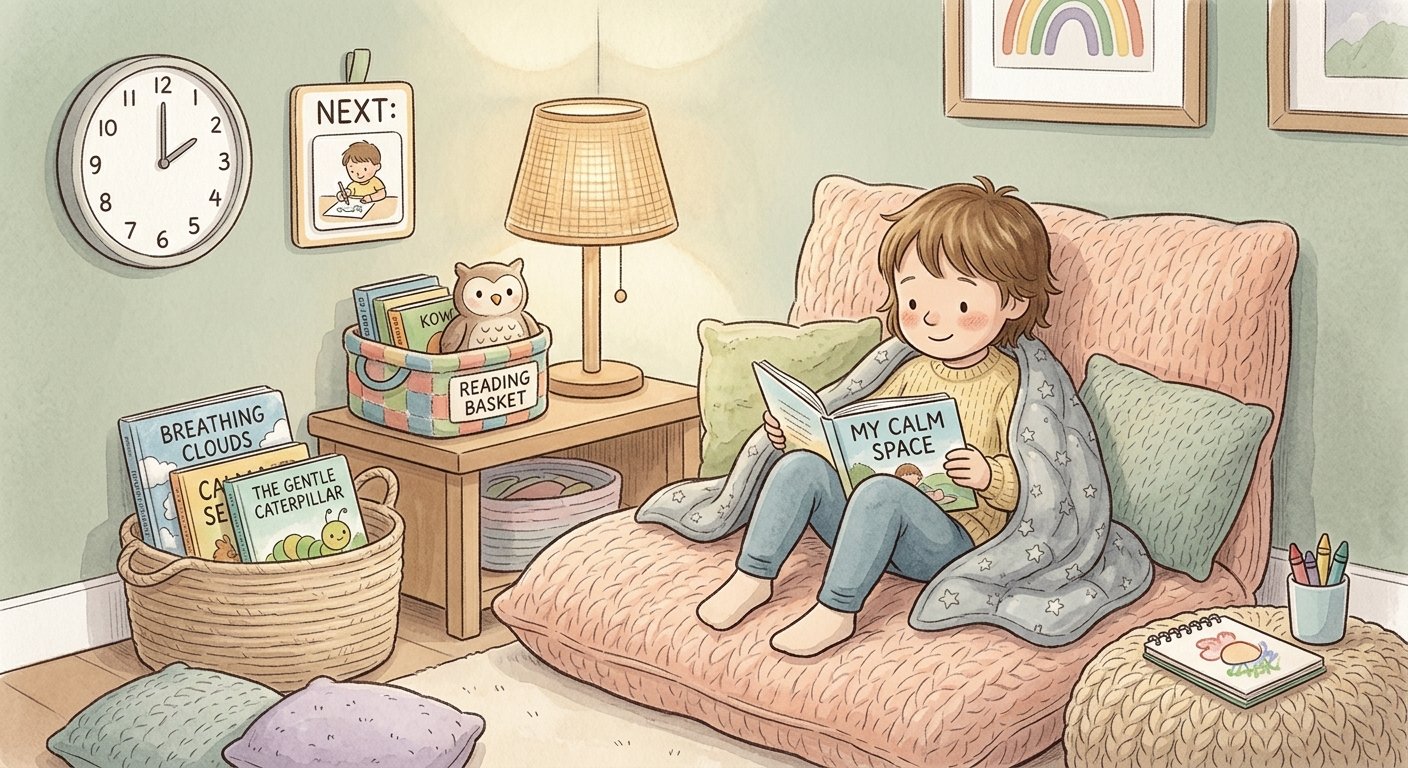
Sensory friendly literacy is something I learned slowly, gently, and through many quiet moments with my child. I used to imagine that reading would happen anywhere. On the couch. At the table. In the car. In the bedroom. But my child taught me that reading does not happen anywhere. It happens somewhere. Somewhere that feels safe. Somewhere that feels calm. Somewhere that feels soft enough for their nervous system to settle.
One afternoon, I placed a book on the table and invited my child to read. They looked at the page, then looked away. Their shoulders tightened. Their breath quickened. The room was bright. The refrigerator hummed loudly. A neighbour’s dog barked outside. My child was not avoiding reading. They were overwhelmed. That moment changed how I understood sensory friendly literacy. Reading begins with regulation, not with a book.
Why Sensory Friendly Literacy Matters
Sensory friendly literacy matters because neurodivergent children often experience the world more intensely. Sounds feel louder. Lights feel brighter. Textures feel sharper. Movement feels bigger. When their nervous system is overwhelmed, literacy becomes harder to access. Reading requires presence. Presence requires regulation.
Organisations such as the National Autistic Society explain that sensory processing differences can affect how children engage with learning. This aligns closely with what many parents observe at home. A child who feels regulated is more able to explore stories, words, and pictures.
In my own home, I learned that sensory friendly literacy was not about creating a perfect space. It was about creating a gentle one. A space where my child’s nervous system could soften. A space where reading felt possible.
A Parent’s Story About Finding a Sensory Friendly Reading Space
One evening, after a long day, my child climbed into a small corner of the living room with a blanket. The lamp beside them glowed softly. The room was quiet. They picked up a book and began reading aloud in a gentle voice. It was the same book they had refused earlier at the table. The difference was not the book. The difference was the space.
That moment taught me that sensory friendly literacy is not about forcing reading into a schedule. It is about noticing where reading naturally happens. It is about creating spaces that feel safe enough for stories to unfold.
What Sensory Friendly Literacy Looks Like
Sensory friendly literacy looks different in every home. In some homes, it looks like a small reading nook with cushions. In others, it looks like a quiet corner with a soft lamp. In others, it looks like reading under a blanket. In ours, it looked like a small space beside the couch where the light was gentle and the sounds were soft.
Early childhood organisations such as ACECQA emphasise the importance of environments that support regulation. When children feel regulated, they are more able to engage with literacy. This is especially true for autistic and ADHD children.
Seven Sensory Friendly Literacy Ideas for Neurodivergent Families
Over time, I discovered seven sensory friendly literacy ideas that helped my child feel ready to read. These ideas are gentle, flexible, and grounded in real family life.
1. Create a Soft Reading Nook
A soft reading nook can be as simple as a cushion, a blanket, and a small lamp. It does not need to be elaborate. It only needs to feel calm. When my child sat in their nook, their nervous system softened. Reading felt possible.
This idea connects naturally with co regulation before reading, because a calm environment supports shared calm between parent and child.
2. Reduce Visual Clutter
Visual clutter can overwhelm neurodivergent children. Too many colours, objects, or patterns can make reading feel harder. When I reduced clutter around our reading space, my child’s focus improved. They looked at the book instead of the room.
This aligns with sensory guidance from the National Autistic Society, which explains that visual overload can affect learning.
3. Use Soft Lighting
Bright lights can feel harsh. Soft lighting helps children feel calm. A small lamp or warm bulb can make a significant difference. When I turned off the overhead light and used a lamp instead, my child’s reading moments became longer and gentler.
Soft lighting also supports literacy confidence, because children feel more comfortable exploring stories when the environment feels gentle.
4. Offer Sensory Tools
Some children read more easily when they hold a small sensory tool. A soft toy. A fidget. A textured cushion. These tools help regulate the nervous system. My child often held a small plush toy while reading. It helped them feel grounded.
Sensory tools also support task initiation, because they help children begin without feeling overwhelmed.
5. Allow Movement Breaks
Sensory friendly literacy does not require stillness. Some children need movement before they can settle into reading. Jumping, stretching, or dancing can help regulate their body. When my child moved first, reading felt easier.
This connects naturally with ADHD reading routines, which emphasise movement as part of literacy.
6. Use Familiar Books
Familiar books feel safe. Children often return to books they know when they feel overwhelmed. My child reread the same book many times. Each time, they noticed something new. Familiarity reduced sensory load and increased confidence.
7. Follow the Child’s Rhythm
Sensory friendly literacy follows the child’s rhythm. Some days they may read for a long time. Some days they may read for a moment. Both are valid. When we follow their rhythm, reading becomes something they choose rather than something they resist.
How Sensory Friendly Literacy Supports Neurodivergent Learning
Sensory friendly literacy supports neurodivergent learning by creating environments where children feel safe enough to explore stories. When the nervous system is regulated, the child can focus, imagine, and engage. When the nervous system is overwhelmed, literacy becomes harder.
This understanding aligns with early childhood guidance from Early Childhood Australia, which emphasises environments that support emotional and sensory wellbeing.
Internal Linking Suggestions
- Co Regulation Before Reading and Why It Matters
- Early Literacy for Children Who Struggle With Task Initiation
- Building Literacy Confidence in Children Who Pause at the Starting Line
- ADHD Reading Routines for Flexible Days
- Supporting Literacy When You Are an ADHD Parent Too