
Early Literacy Skills for Preschoolers
Everything that happens before a child reads independently. Recognising letters, hearing sounds, building vocabulary, supporting multilingual learners, and developing hand control for writing.
Early literacy is often described as learning the alphabet, but it is much more than that. Long before a child sounds out a word, they are already noticing rhythm in rhymes, understanding that print moves from left to right, using drawing to process new ideas, and building the fine motor strength that writing depends on.
Gentle Literacy Support for Neurodivergent Children
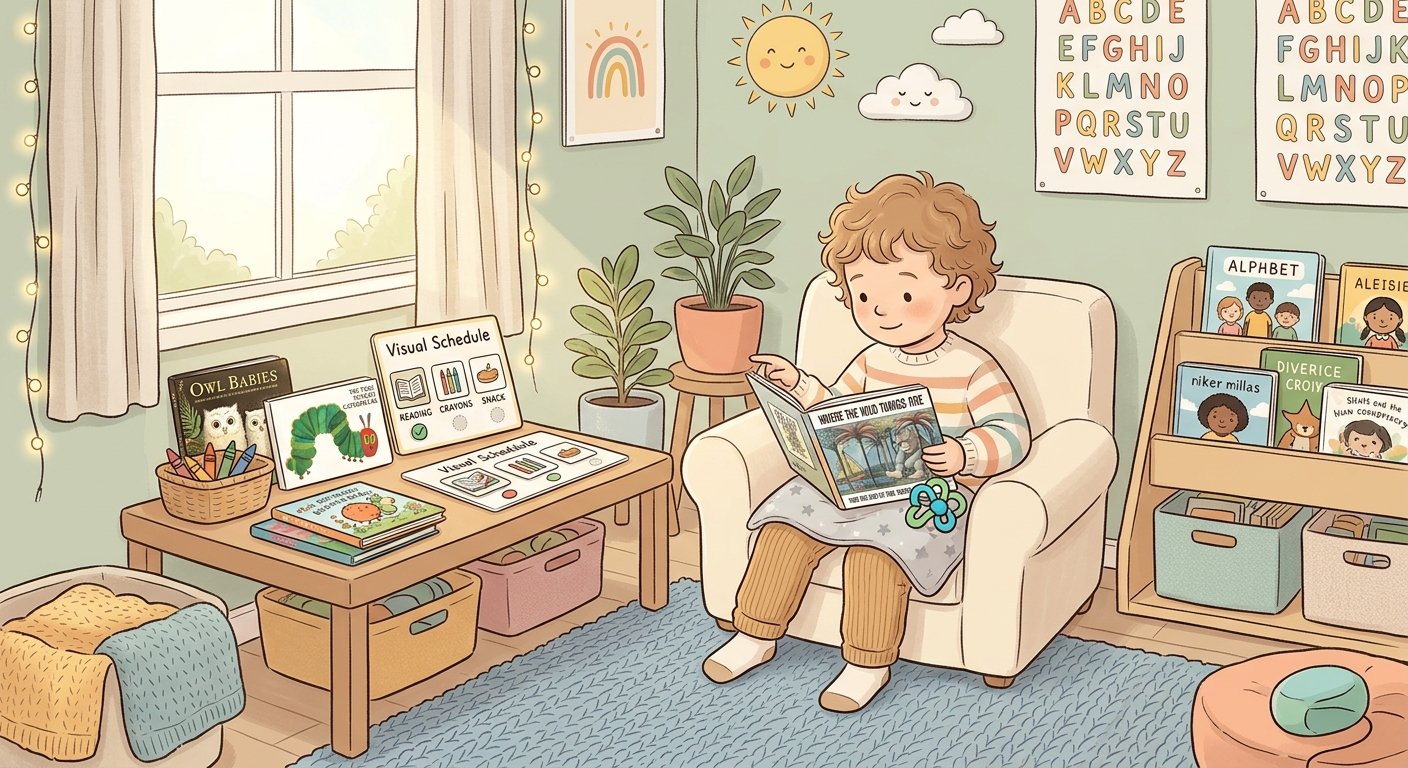
Many neurodivergent children, including autistic and ADHD learners, explore literacy in ways that are beautifully individual. As a PhD early childhood educator, researcher, and curriculum advisor, I share guidance that helps families build literacy skills with calm, connection, and respect for each child’s learning profile. This section offers educational support only and is not medical advice.
For families wanting to explore early literacy research, the Reading Rockets early literacy library offers accessible parent-friendly guidance.
Neurodivergent & ADHD Literacy Guides
- Emergent Literacy in Preschoolers Aged 3 to 5 Years
- Why Starting Literacy Tasks Can Feel Hard for Neurodivergent Children
- Reading Routines for ADHD Families Who Prefer Flexible Days
- Gentle Phonics for Neurodivergent Preschoolers
- Phonics for ADHD Preschoolers
- Sensory Friendly Literacy Moments for Children Who Feel Overwhelmed
- Emotional Regulation in Literacy & Early Reading
- Visual Storytelling for Children Who Avoid Writing
- Invented Spelling for Neurodivergent Learners
- Co-Regulation Before Reading and Why It Matters
- Building Literacy Confidence in Children Who Pause at the Starting Line
- Supporting Literacy When You Are an ADHD Parent Too
- Executive Function and Early Literacy for Neurodivergent Children
- What to Do When an ADHD Child Won’t Start Tasks
- The ADHD “Start Together” Task Trick
What Early Literacy Skills for Preschoolers Actually Cover
Alphabet & Phonics
Letter names, sound recognition, gentle phonics routines, and lowercase/uppercase formation.
Phonological Awareness
Hearing rhymes, rhythm, syllables, and beginning sounds inside everyday words.
Vocabulary & Storytelling
Building rich comprehension through visual stories, drawing, and open conversation.
Print Awareness
Understanding how books work, recognizing print direction, and following written symbols.
Pre-Writing & Fine Motor Strength
Developing pencil control, pincer grasp, hand strength, and confidence before writing.
Multilingual & EAL Support
Bridging home languages to English using visual scaffolding and low-anxiety routines.
A Rough Guide by Age Every child moves at their own pace
| Age | What you may see |
|---|---|
| Two years | Enjoys being read to and recognises familiar symbols and signs |
| Three years | Recognises some letters, enjoys rhymes, and begins pre-writing scribbles |
| Four years | Connects letters to sounds, builds fine motor strength, and tells stories through drawing |
| Five years | Begins reading simple words and labeling pictures with phonetic/invented spelling |
Pre-Writing & Fine Motor Development
Before a child writes letters, they need hand strength, finger coordination, and grip confidence. Explore these foundational pre-writing guides:
Letter Formation
Gentle ways to teach letter shapes and directional movement.
How to Hold a Pencil Correctly
Natural grip progression for young learners.
Fine Motor Pencil Control
Fun routines that build pencil confidence without burnout.
Pincer Grasp Activities
Everyday play activities that strengthen key finger muscles.
Hand Strength Activities
Playful strength building for comfortable drawing and writing.
Scissor Skills by Age
A gentle timeline for cutting and hand-eye coordination.
Multilingual & EAL Literacy Growth
Supporting bilingual and multilingual children as they explore literacy in more than one language:
Multilingual Neurodivergent Literacy
Navigating language growth across diverse learning needs.
Multilingual Phonics for ADHD
High-engagement phonics routines for dual-language learners.
Identity & Belonging in Early EAL
How belonging circles support multilingual learners.
Invented Spelling in Early EAL
Why early phonetic attempts build confident writers.
Drawing and Storytelling in Early EAL
How visual routines support rich language acquisition.
How Multilingual Children Process Language
Insights into dual-language development in early childhood.
Try Early Literacy Resources Today
Ready-to-use printables and templates for home or classroom learning.
Alphabet Tracing Template
A free sample page from the story-based tracing bundle.
Personalised Storybook Template
Helps children build print awareness through storytelling.
Free Three Page Sampler
Three pages from the full alphabet collection.
More Literacy & Learning Pedagogy
Promoting Literacy Without “Drill & Kill”
Playful strategies that work better than rote repetition.
Storytelling Wheel Template
An interactive wheel for creating and narrating stories.
Clothing Choices & Weather Routines
Low-anxiety routines that expand daily vocabulary.