
Inclusion Beyond the Classroom: Autism Awareness and Acceptance in Everyday Community Life
Autism awareness and acceptance means more than knowing autism exists. It means autistic children and adults, and other neurodivergent people, can travel, shop, eat out, queue and use public spaces. They can do it without being judged, stared at or pushed to act less autistic so others feel comfortable.
This hub explains the difference between awareness and acceptance, and introduces our story series, Everyday Stories. Lived Experiences. Better Understanding.
It maps out twelve upcoming articles in five groups: public attitudes, sensory inclusion, travel and public places, businesses and community, and lived experience. ADHD is covered alongside autism. You’ll also find practical steps for bystanders, venues, families and educators, a free Out and About Together printable and a grid of related free PDFs.
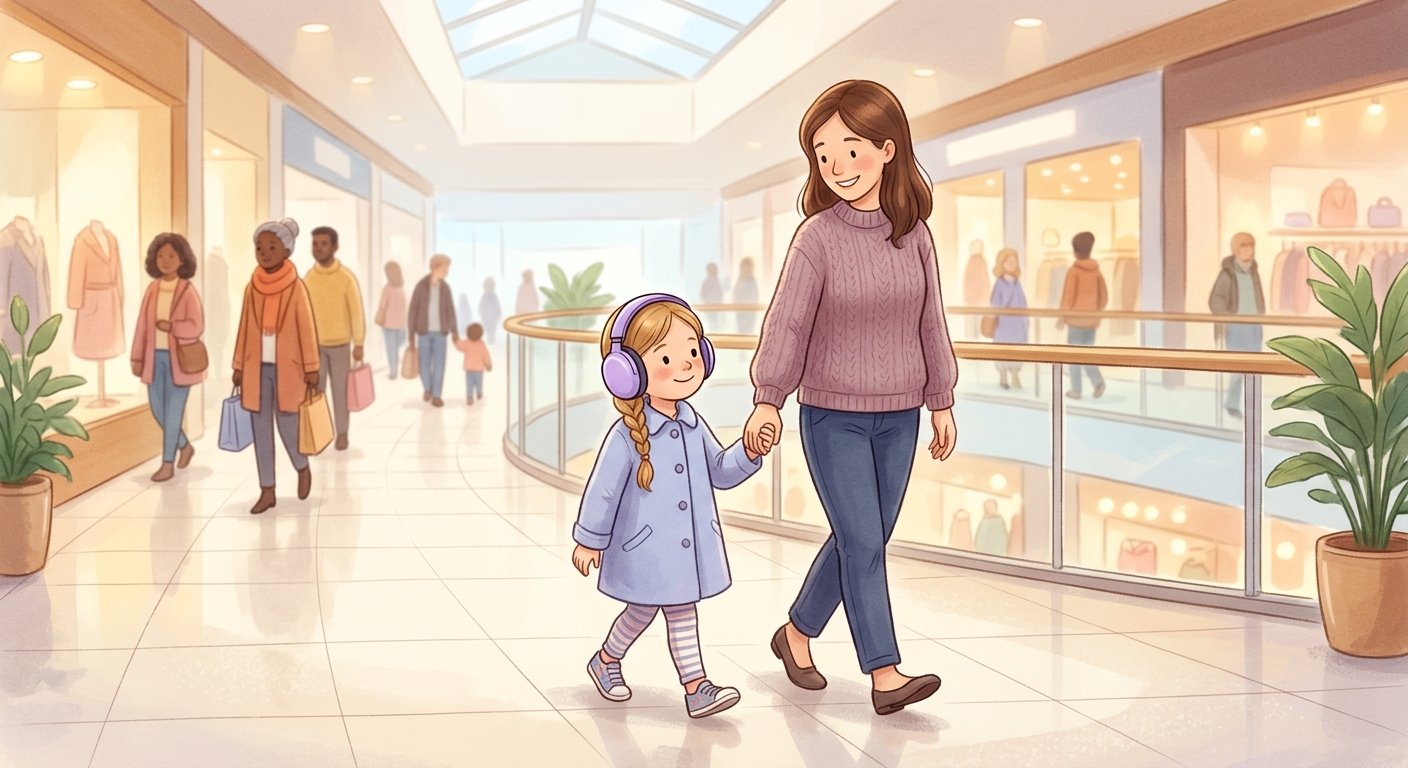
A child drops to the floor of a supermarket aisle with their hands over their ears. Within ten seconds, a dozen strangers have decided what kind of parent is standing beside them. Most of those strangers are wrong. This hub is about what happens in those ten seconds, and how we can change them.
- How This Hub Works
- Why Community Life Needs Its Own Hub
- Awareness Versus Acceptance
- A Note on Language
- The Series: Everyday Stories. Lived Experiences. Better Understanding.
- The 12 Articles in This Hub
- Group 1: Public Attitudes and Judgement
- Group 2: Everyday Experiences and Sensory Inclusion
- Group 3: Travel and Public Participation
- Group 4: Businesses and Community
- Group 5: Lived Experiences
- What Acceptance Looks Like in Practice
- Free Printable: Out and About Together
- More Free PDFs
- Looking for Classroom Content?
- FAQs
How This Autism Awareness and Acceptance Hub Works
This page is a starting point. It introduces the big ideas behind autism awareness and acceptance in everyday community life, and then points you to articles that each answer one question in depth. Some of those articles are live now. Others are on the way, and they are marked “coming soon” so you know what to expect.
- Families can find ideas for outings, travel and handling stares or comments.
- Bystanders can learn what to do (and what not to do) when someone is having a hard time in public.
- Venues and businesses can see small changes that make a big difference.
- Educators can connect what happens in the room with what happens at the shops, the park and the train station.
There’s one survey number further down this page, from a large UK survey, that changed how I think about the word “awareness”. I’ll come back to it in the section on sensory overload in public, and once you’ve read it, the rest of this hub will make more sense.
Why Autism Awareness and Acceptance Needs a Community Hub
Most of what I write on this site is about learning: early literacy, number sense, regulation in the room and at home. Those topics matter. But they only cover part of a child’s day. An autistic child also catches the bus, sits in a waiting room, goes to a birthday party, queues at the bakery and boards a plane. Those moments are not lessons, and nobody writes a learning plan for them.
I worked as a relief educator in early learning rooms in Melbourne’s east, and now I do NDIS support work, so I’ve seen both sides of the gate. A room can be carefully set up for a child, with visuals, quiet corners and kind adults who understand them. The world outside usually hasn’t been set up in the same way.
So this hub sits separately from our classroom content. The questions are different. In a classroom, we ask “how do I teach this child?” In the community, the question is closer to “will this child and their family be allowed to simply be here?” Autism acceptance in the community is about shared spaces that belong to all of us.
Autism Awareness and Acceptance: What’s the Difference?
People often use these two words as if they mean the same thing. They don’t, and the gap between them is where many everyday problems happen.
Awareness
Knowing autism exists. Recognising some common traits. Perhaps knowing that the child flapping their hands at the bus stop might be autistic. Awareness is information.
Acceptance
Making room for autistic people as they are. Not staring. Not asking them to stop stimming. Adjusting a queue, a light or a rule so they can take part. Acceptance is behaviour.
Australia has plenty of awareness. In the 2025 survey commissioned by Autism Spectrum Australia (Aspect), only about half of Australians felt they understood autism well. Around a third said they wouldn’t know what to say if someone told them they were autistic. In the 2026 survey, carried out by YouGov with 1,016 Australian adults, 24% said they expect autistic people to adapt their behaviour to fit into society.1
Read that number again. Nearly one in four adults in this country believes the job of fitting in belongs to the autistic person. That’s the gap between awareness and acceptance in one statistic. You can know a lot about autism and still believe the autistic child on the train should be the one who changes.
Aspect’s CEO Jacqui Borland said too many autistic people still feel pressure to change their behaviour just to be accepted. Michael Theo, an autistic actor and autism consultant with Aspect, put it simply: people on the spectrum don’t want special treatment, they want the same things as everybody else.1 That’s a good working definition of autism awareness and acceptance: knowing enough to understand, and caring enough to make room.
| Place | Awareness looks like | Acceptance looks like |
|---|---|---|
| Supermarket | Knowing a child covering their ears might be autistic | Not staring, giving the family room in the aisle, and quiet hours that families can plan around |
| Train or bus | Recognising that rocking or humming may be stimming | Letting it be, without comments or moving seats pointedly |
| Airport | Staff knowing what a Sunflower lanyard means | Staff offering extra time, a quieter queue and clear, calm instructions |
| Playground | Parents noticing a child plays differently | Children and adults making room for different ways to play |
| Café | Knowing some people find noise hard | A quieter table offered without fuss, and headphones welcomed |
A Note on Language
You’ll see both “autistic person” (identity first) and “person with autism” (person first) in the world. Research with the UK autism community found that many autistic adults prefer “autistic person”, while many professionals prefer “person with autism”, and that there’s no single term everyone agrees on.8 Later work has encouraged writers to avoid language that frames autism only as a deficit.9
On this hub, I mostly use “autistic person” and “autistic child”, because many autistic adults have asked for it. When a family or an individual uses different words for themselves, we follow their lead. The best rule is simple: if you can, ask the person. Words are part of autism awareness and acceptance too.
I also try not to use words like “suffers from”, “low functioning” or “high functioning”. These labels often describe how convenient a person is for others, not what they need. Someone can speak fluently and still be overwhelmed by a shopping centre. Someone else can use few spoken words and handle a long flight beautifully with the right tools.
Everyday Stories. Lived Experiences. Better Understanding.
The heart of this hub is a recurring series. Each article looks at one situation that was publicly reported or publicly shared, usually by an autistic person or their family, and works through it slowly. We aren’t trying to shame anyone. We want to understand what happened and what we could all do differently.
Story led articles in the hub, starting with article 1, follow the same five steps. The practical guides draw on the same principles:
- What happened: the verified facts, with links to the original reporting.
- What did people assume: the reactions at the time, from bystanders, staff or online comments, as reported.
- What might we not understand: the parts of the experience that are easy to miss from the outside, such as sensory load, communication or exhaustion.
- What could have helped: practical changes from staff, strangers, systems or venues.
- What can we learn: the bigger lesson for autism awareness and acceptance in our own communities.
Our editorial principles
- Facts, reactions and interpretation stay separate. Each article makes clear what was reported, what people said, and what is our own reading of it.
- No news photographs or videos. We link to the original reporting and use our own illustrations. Families’ images belong to them.
- No diagnosing strangers. If a story doesn’t say a person is autistic, we don’t say it either. Some stories involving other conditions appear as related examples only, and they’re clearly labelled.
- Surveys are described honestly. We say where a survey was done, who answered it and how, so a UK finding isn’t presented as an Australian one.
- Lived experience leads. First person perspectives from autistic adults, people with ADHD and families are included only with their permission, and an educator’s explanation never replaces their voice.
- Dignity first. We avoid repeating names or details beyond what helps understanding, especially for children.
The 12 Articles in This Hub
This hub will grow to twelve supporting articles, published one at a time so each has a clear job and links naturally to the others. They sit in five groups. Together they look at what happens when neurodivergent children and families take part in everyday community life, rather than repeating general explanations of autism and ADHD. Each one looks at a different side of autism awareness and acceptance.
| Order | Article | Group | Main purpose |
|---|---|---|---|
| 1 | When People Judge a Parent for Their Child’s Behaviour | 1 | Human story and public attitudes |
| 2 | Should Autistic People Have to Change to Fit into Society? | 1 | Inclusion and acceptance |
| 3 | Understanding Sensory Overload: What Others May Not See | 2 | Educational explanation |
| 4 | Autism and ADHD Are Not Always Visible | 1 | General awareness |
| 5 | Travelling with an Autistic Child | 3 | Everyday participation |
| 6 | Eating Out with an Autistic or ADHD Child | 2 | Practical everyday experience |
| 7 | What Makes a Playground Inclusive? | 2 | Community design |
| 8 | When Public Places Feel Overwhelming | 3 | Public environments |
| 9 | How Businesses Can Be More Autism Inclusive | 4 | Practical business guidance |
| 10 | What Does a Neurodiversity Inclusive Community Look Like? | 4 | Broader community action |
| 11 | Let Neurodivergent Children Tell Their Own Stories | 5 | Neurodivergent voices |
| 12 | Beyond Autism Awareness: Why Understanding and Acceptance Matter | 5 | Overall reflection and acceptance |
That line sums up what this hub is for. Autism is the main focus, but ADHD and wider neurodiversity get their own proper coverage here, not just a mention in a title. And the most important voices belong to autistic adults, people with ADHD and families, shared with their permission. My background in early childhood helps me explain the issues. It shouldn’t replace the people living them.
Group 1: Public Attitudes, Judgement and Acceptance
Every family of an autistic child seems to have a story about a stranger’s comment. A sigh in the queue. “Some parents just can’t control their kids.” A phone held up to film. These moments are small to the stranger and huge to the family, and they are where autism awareness and acceptance is tested most often. This group starts with judgement, then asks who should do the changing, and why so much of what people need can’t be seen.
The first story in our series: the zoo
In November 2026, writer Jennifer Jay Palumbo shared an essay in Business Insider about a day at the Bronx Zoo in New York when her autistic son was about three. This is how it looks through our five steps.2
What happened. Juice spilled on her son’s shorts and he had a meltdown. She took him into a women’s restroom to dry the shorts under a hand dryer while trying to calm him. A woman in the restroom complained loudly about the “screaming, crying kid” and said the family should take him somewhere else. Palumbo’s husband explained that their son is autistic and having a hard time. Another woman then spoke up for the family.
What did people assume. Our reading is that the first woman saw a noisy child and a parent who should be keeping him quiet. She treated it as a disturbance to her, rather than distress for him.
What might we not understand. For some autistic children, wet clothing against the skin can feel intensely uncomfortable. A loud hand dryer in a tiled room may add more noise to an already overloaded nervous system. A meltdown is a response to too much, not a choice or a tactic.
What could have helped. Space. Quiet. A kind word, or no words at all. The second woman showed what one supportive stranger can do.
What can we learn. Palumbo wrote that, over time, she stopped trying to make strangers comfortable and focused on her son’s needs instead. She now briefly tells people her son is autistic and needs a moment, and finds most people respond with compassion.
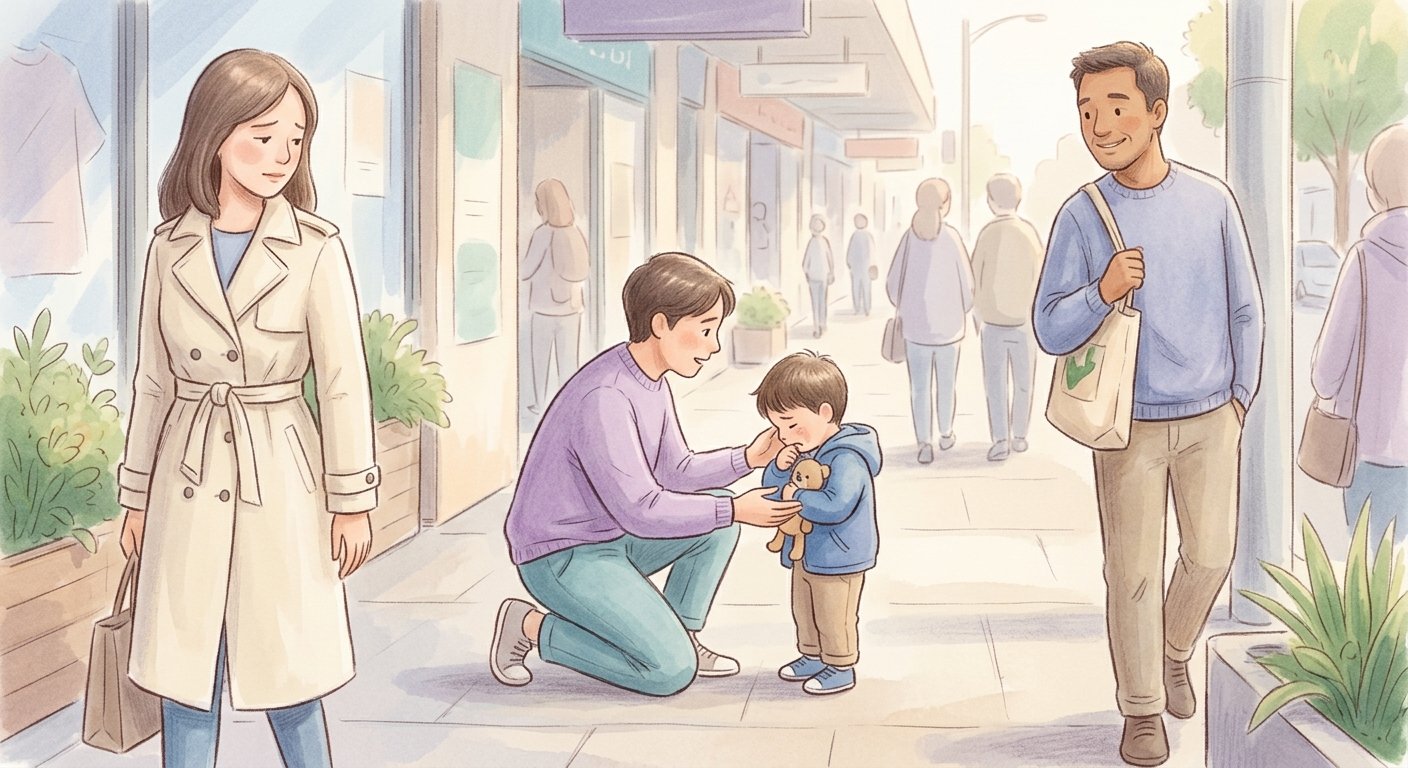
That last point matters for everyone. Her son, now a teenager, uses tools such as an iPad, noise cancelling headphones and scripted conversation. None of those need an apology. When we stop expecting families to apologise for their child existing in public, we start practising autism awareness and acceptance instead of just talking about it.
The pressure to fit in
This is the question underneath almost every story on this hub. Remember the Aspect finding: 24% of Australian adults expect autistic people to adapt their behaviour to fit into society.1 What does that expectation cost?
Many autistic people learn to hide or “mask” their autistic traits in public. They force eye contact, rehearse small talk, hold back stims and copy other people’s facial expressions. A well known study of autistic adults described this as “putting on my best normal”. Participants said camouflaging helped them get by socially but often left them exhausted and anxious, and some felt it chipped away at their sense of who they were.7
Some children start masking early. A child who has learned that flapping earns a frown may stop flapping at the shops and then fall apart in the car on the way home. Parents sometimes hear “but she was fine at the party” from people who only saw the masked part of the day.
There’s also a helpful idea called the double empathy problem. Autism researcher Damian Milton suggested that misunderstandings between autistic and non autistic people go both ways: each group can find the other hard to read.12 If that’s true, then the work of understanding shouldn’t sit with one side only. Autism acceptance in the community means the non autistic majority does some of the adjusting too.
None of this means autistic people never learn skills or adapt. Everyone adapts to some degree. The question is fairness: who carries most of the load, and does it cost one person their wellbeing so that everyone else can stay comfortable? That isn’t what autism awareness and acceptance should ask of anyone.
Not always visible: autism, ADHD and what people miss
Many support needs don’t show. A child can look “fine” while working very hard to cope with noise, waiting or a change of plan. An autistic teenager who speaks fluently may still be unable to ask a shop assistant for help when overloaded. Appearances are not a reliable measure of what someone needs, and the Sunflower lanyard exists precisely because so many disabilities are hidden.
ADHD is often misread in public in its own ways. Impulsivity can look like rudeness, such as interrupting, grabbing or calling out. A child who needs to move might climb, spin or run ahead, and be labelled “wild”. Big, fast emotions can look like a tantrum over nothing, when the child is struggling to put the brakes on a feeling. Waiting is often the hardest part of any outing, because a long queue with nothing to do asks for exactly the kind of attention that’s hardest to find.
None of this means anything goes. It means the first question in public should be “what might be making this hard?” rather than “what’s wrong with this parent?” Our guides to ADHD behaviour strategies and signs of ADHD in girls explore the home and learning side of this. Autism awareness and acceptance works best when it makes room for ADHD and other differences too.
- When People Judge a Parent for Their Child’s Behaviour (read now): starts with the Bronx Zoo story, then looks at assumptions about parenting, behaviour and public expectations.
- Should Autistic People Have to Change to Fit into Society? (read now): the difference between genuine inclusion, reasonable boundaries and pressure to mask.
- Autism and ADHD Are Not Always Visible: What People May Not Understand (read now): invisible difficulties, different communication styles and why appearances mislead.
Group 2: Everyday Experiences and Sensory Inclusion
What Sensory Overload in Public Can Feel Like
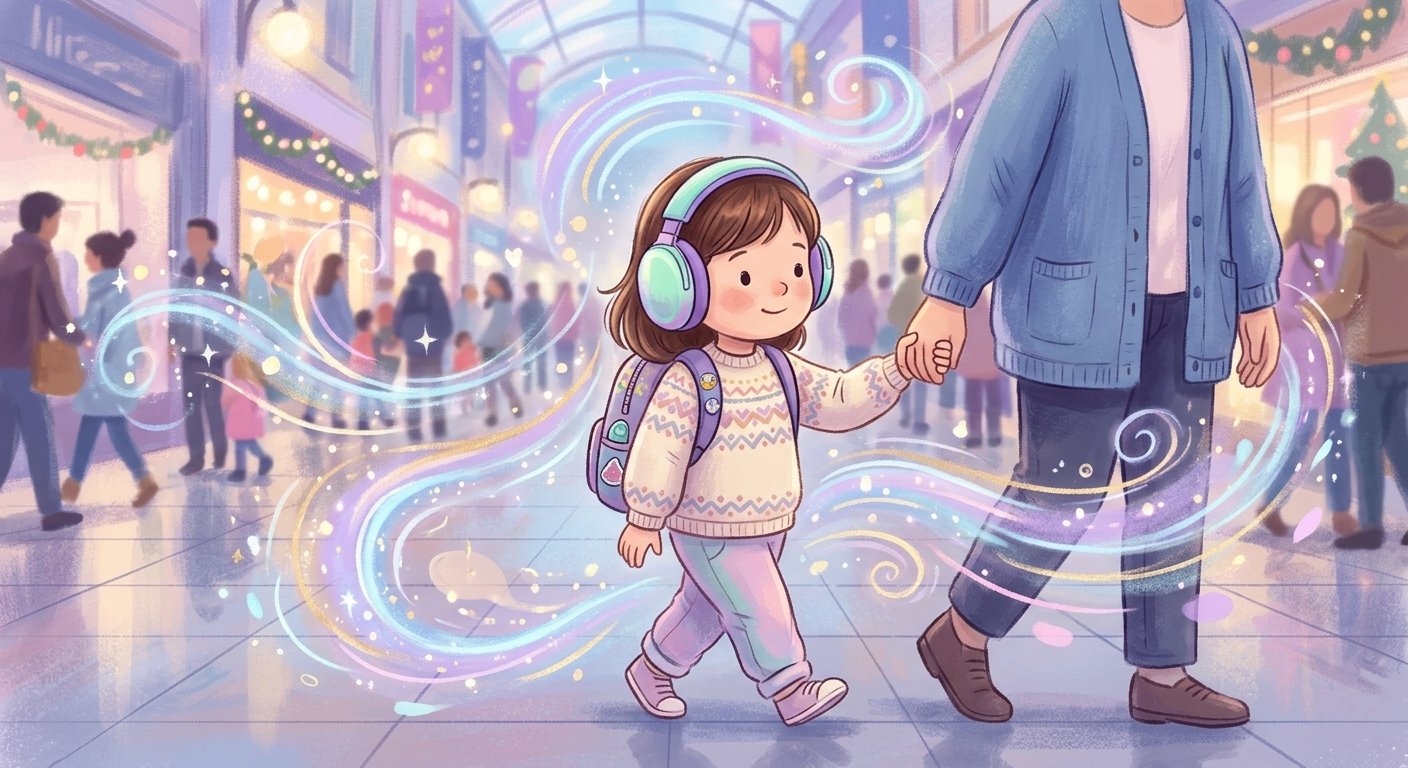
Sensory overload in public is one of the most misunderstood parts of autistic life. A shopping centre on a Saturday can mean bright flickering lights and music from three shops at once. Add beeping scanners, strong smells from a food court, people brushing past, and a constant layer of conversation. Many people filter most of that out without noticing. Many autistic people can’t.
When the input keeps building, it can lead to a meltdown or a shutdown. A meltdown is an outward loss of control, such as crying, shouting or dropping to the floor. A shutdown means going quiet, freezing or not responding. Neither is the same as a tantrum. A tantrum usually has a goal and stops when the goal is met. A meltdown is an overwhelmed nervous system, and it ends when the person has had enough time and space to recover. Our guide to child meltdowns and co regulation explains the difference in more depth.
The number I promised
This is the survey figure I mentioned at the top. The National Autistic Society in the UK surveyed about 8,000 people, including 4,231 autistic people. Of those autistic respondents, 55% said they avoid going out because they worry about how people will treat them. And 25% said they usually get a negative reaction when they tell someone they’re autistic.6
This was a UK survey of people who chose to take part, so we can’t assume the same figures apply in Australia. But the message stands on its own. More than half of the autistic people who answered stay home, not because of the noise or the lights, but because of the people. Awareness campaigns tell the public what autism is. They don’t automatically change how the public behaves. That is the work of autism awareness and acceptance together, and it’s why this hub exists.
Eating out
Restaurants and cafés combine many of the hardest parts of going out. There’s waiting for a table, waiting for food, background noise and unfamiliar menus. And there’s an expectation to sit still for a long time. Families of autistic and ADHD children often plan meals out with great care, choosing quiet times, booths near exits or places with simple food their child already knows. Small things from staff, like bringing the child’s meal first or not commenting on headphones at the table, can make the whole outing possible. Restaurants are a common place for sensory overload in public, and a calm meal out is a small sign of autism awareness and acceptance at work.
Playgrounds
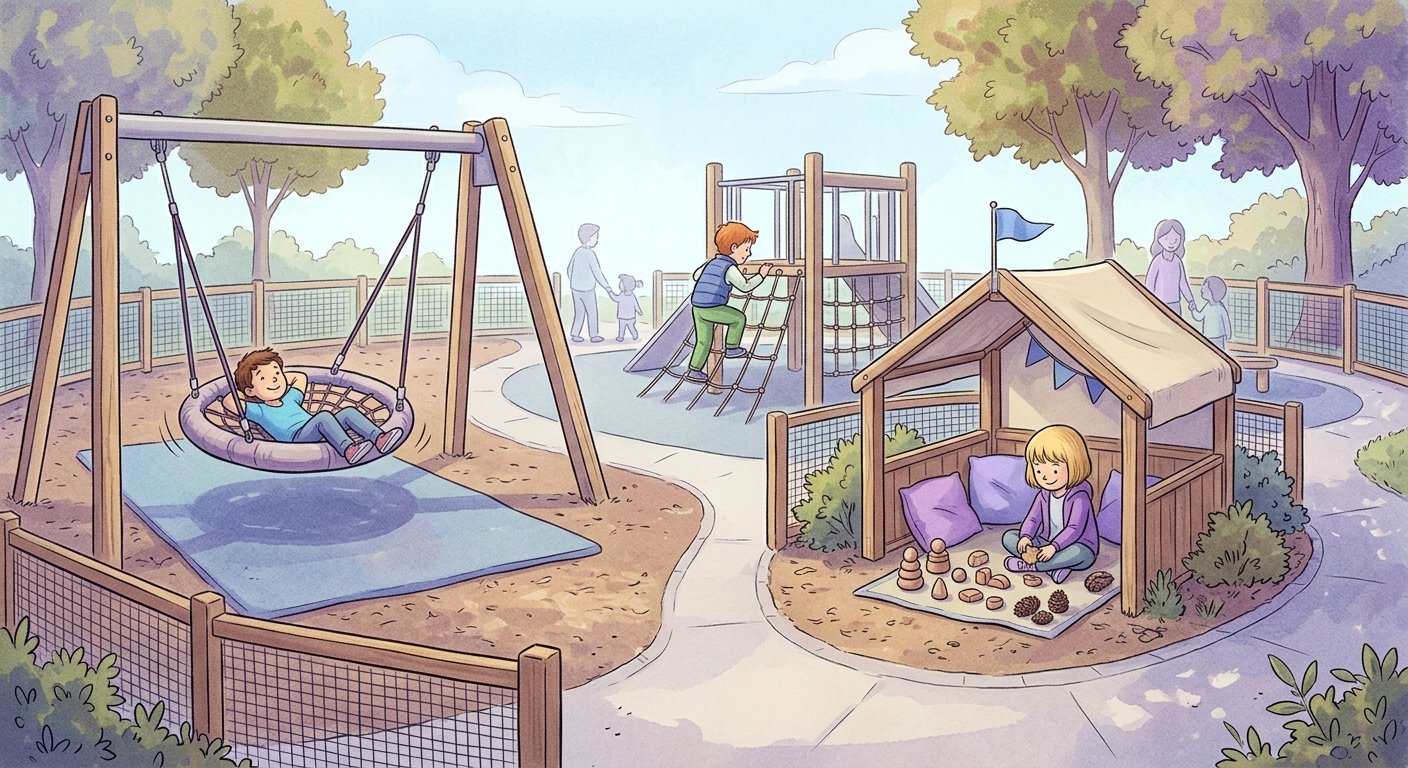
An inclusive playground is more than a ramp. Neurodivergent children may need places to swing, spin, climb and crash, but also quieter corners to retreat to, clear sightlines for parents, and fencing for children who run. Some children play beside others rather than with them, or play the same game over and over. That’s still play. A playground that makes room for different ways of playing is one where more children can stay. Inclusive play spaces are autism awareness and acceptance built into the ground, and they help children with ADHD who need to move just as much.
- Understanding Sensory Overload: What Others May Not See (read now): noise, light, crowds and smells, without assuming every public distress response has the same cause.
- Eating Out with an Autistic or ADHD Child: What Can Make It Easier? (coming soon): waiting, noise, unfamiliar food and changes in routine, for families and hospitality businesses.
- What Makes a Playground Inclusive for Neurodivergent Children? (coming soon): sensory experiences, play preferences, movement and children taking part in their own ways.
Group 3: Travel and Public Participation
Travel bundles many of the hardest parts of community life into one day. Crowds, queues, waiting, announcements, security checks, unfamiliar food and broken routines. Then a small metal tube with no way out once the door closes. For many autistic travellers it can still be a joy. But it takes planning, and it depends heavily on how staff and other passengers respond. Good travel support is autism awareness and acceptance in action.
A story that is still unfolding
In October 2026, Australian media reported on a family stranded in Japan after their 18 year old autistic son, Ryan, developed an intense fear of flying during their holiday. Ryan had flown before without problems. The family said they were advised he would need to be sedated and flown home on a specialist medical flight, which their fundraiser put at around $500,000. The parents sent their other children home to stay with family while they remained in Japan with Ryan.3
Fundraising totals and plans have changed as the story has been shared, so we aren’t quoting a current figure. Also worth noting that Ryan is a young adult, not a small child. That matters for how his story is told and who gets to tell it. Our full article will follow the five steps and only use what has been publicly confirmed.
A related example, not an autism story
In May 2026, UK media reported that a 13 year old boy with Tourette syndrome was not allowed to board a British Airways flight from Gatwick to Spain. He had been heard saying “bomb”. His parents said they had told the airline about his diagnosis beforehand and that he wore a disability lanyard. The airline said its decision was about security and safety and not about his condition, and offered a refund.4
Tourette syndrome isn’t autism, and we include this story only as a related example. It raises a question many autistic travellers face too: when a family shares disability information in advance, does it actually reach the people making decisions at the gate?
Practical starting points for travel
- Hidden disability programs. Several Australian airports, including Melbourne, Sydney and Brisbane, run hidden disability programs, many using the Sunflower lanyard so staff know a traveller may need extra time or support.10
- Practise the trip. Look at photos of the airport, watch a boarding video together, or visit the terminal before the trip.
- Build in exits. Know where quiet areas are and allow far more time than you think you need.
- Tell the airline early, and ask what will happen if the person becomes overwhelmed before or during the flight.
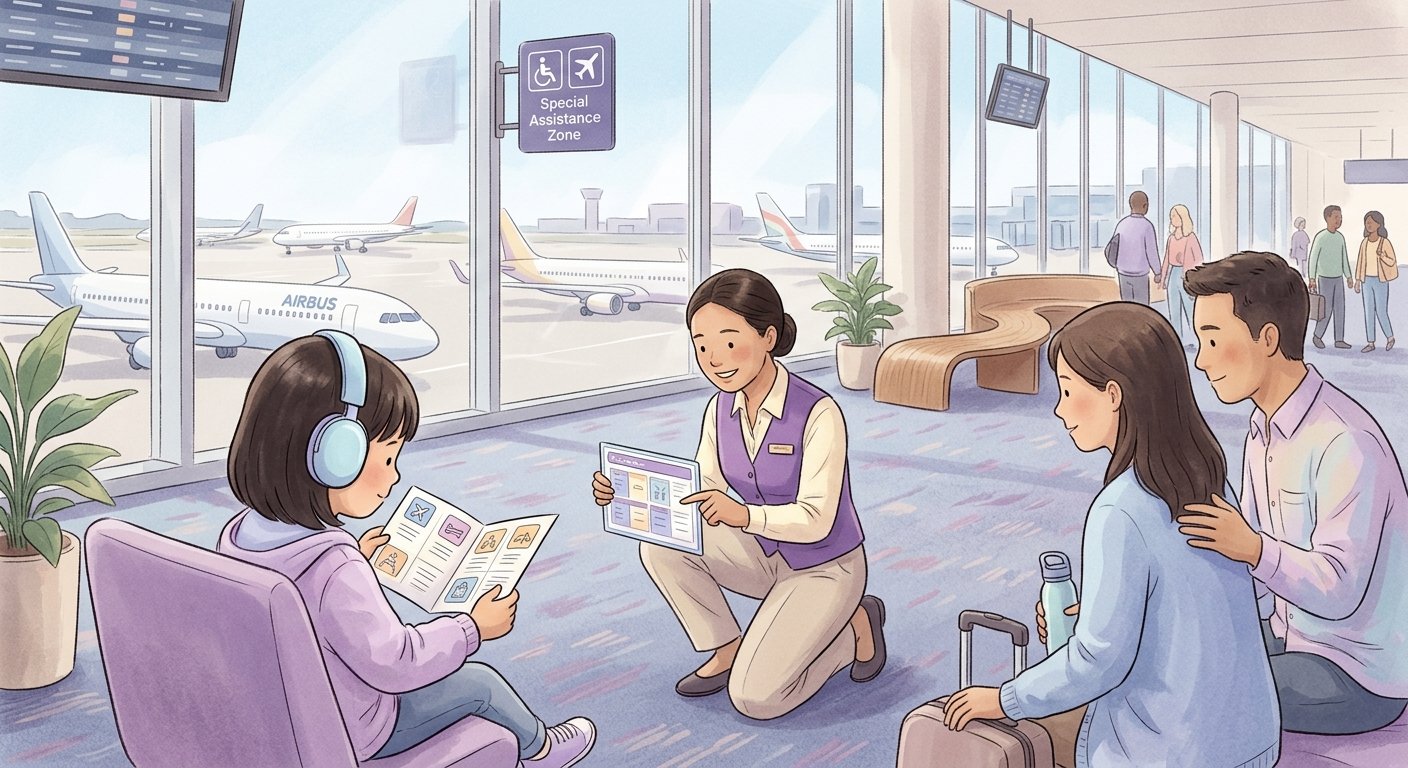
Libraries, museums, shopping centres and community events
Some Australian businesses have made small, practical changes. Coles, for example, expanded its Quiet Hour to supermarkets nationwide, turning down lights and noise at set times.11 Some cinemas, museums and play centres run sensory friendly sessions. These aren’t perfect solutions, and many autistic people still need to shop at 6pm on a Thursday like everyone else. But they show what’s possible when a business plans for sensory overload in public instead of reacting to it.
If you manage a space, our free Sensory Space Audit Checklist was written for early learning rooms. But most of its questions work just as well in a library, a café or a clinic waiting room: where is the loudest point, what lights flicker, is there anywhere quieter to go?
- Travelling with an Autistic Child: What Families Wish Others Understood (coming soon): airports, flights, waiting and unexpected changes, and how travellers and staff can respond respectfully.
- When Public Places Feel Overwhelming: Making Community Outings More Inclusive (coming soon): libraries, museums, shopping centres, parks and events, with clear information and chances for breaks.
Group 4: Businesses and Community Responsibility
Families can plan and prepare, but they can’t redesign a shopping centre or retrain a café’s staff. Some of the responsibility for inclusion belongs to businesses, councils and community groups. The practical section further down this page lists simple changes a venue can make. This group goes further. It asks what it would take for a whole community to move beyond awareness campaigns towards meaningful participation. That is where autism awareness and acceptance has to end up.
That might look like a council that asks neurodivergent residents to help plan its festivals, or a library with a regular quiet session. It might be a sports club that welcomes children who need breaks, or a local event that publishes a simple visual guide in advance. None of these are complicated. They depend on listening to neurodivergent people and acting on what they say. That is autism acceptance in the community in its fullest sense.
- How Businesses Can Make Their Services More Autism Inclusive (coming soon): staff awareness, communication, sensory considerations and reasonable adjustments for shops, restaurants and tourism.
- What Does a Neurodiversity Inclusive Community Actually Look Like? (coming soon): public services, community events, recreation and listening to neurodivergent people.
Group 5: Lived Experiences and Changing Perspectives
Most stories about autistic children are told about them, not by them. Parents, teachers, doctors and journalists all speak first. Sometimes that’s necessary, especially for young children. But when children get the chance to speak for themselves, the results can be remarkable. Own voices are often the missing piece of autism awareness and acceptance.
In September 2025, ABC News reported on Leo Bird, a 12 year old Sydney student with autism and ADHD. He gave a speech about his neurodivergence at his school’s public speaking competition. In it, he compared autism to chilli (some people are mild, some medium, some super spicy) and described himself as “built different. Like a limited edition Lego set.” Shared online, the speech passed 2.5 million views.5
Leo’s speech landed partly because of the chilli and Lego ideas. Mostly, though, it was because he chose the topic, wrote the words and decided how to describe himself. That’s what own voices means. It’s also a reminder for adults. When we share stories of autistic children, we should ask whose story it is and whether they’ve agreed to it. Would they be comfortable reading it in ten years?
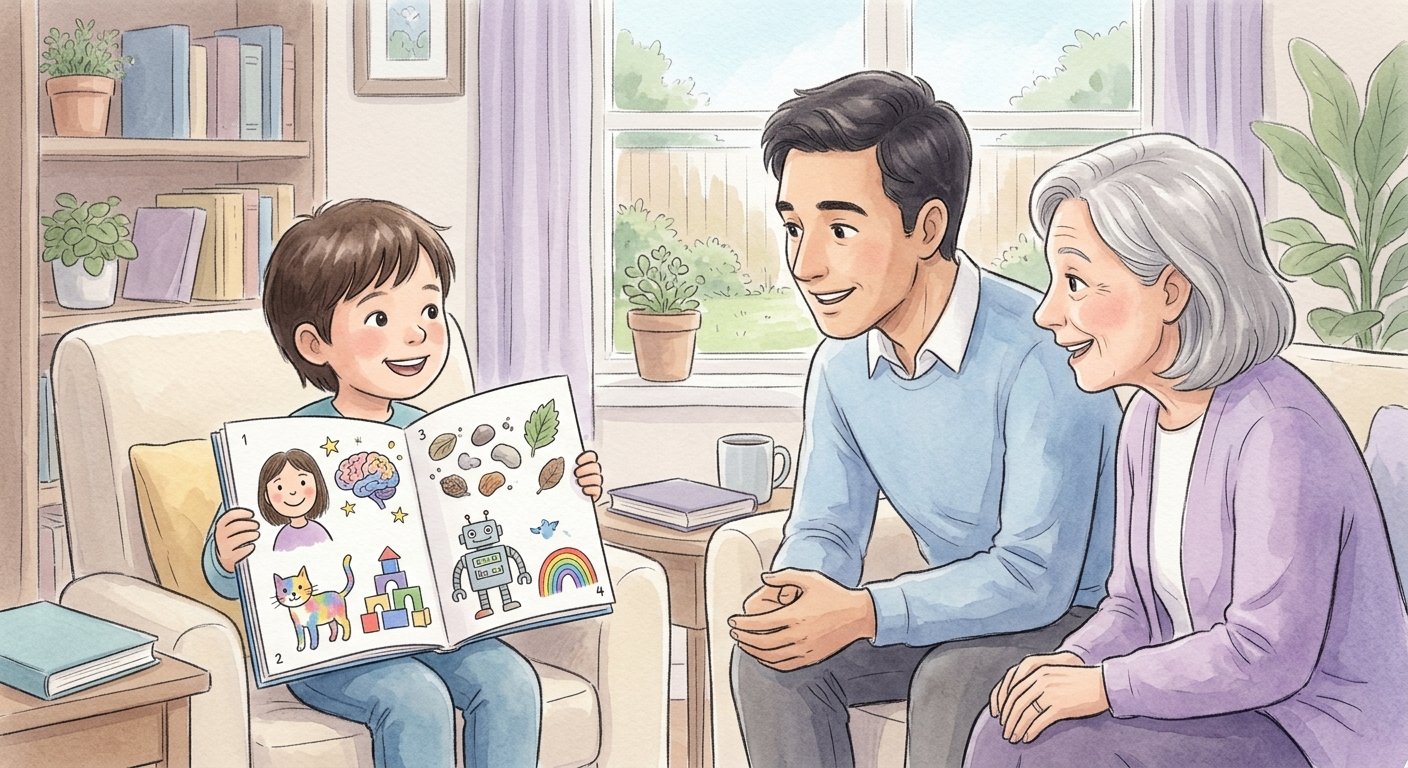
You can support children to tell their stories without a stage. Our free All About Me storybook lets a child choose what goes on each page: what they love, what feels hard, what helps. Children who don’t speak much can draw, point or choose photos. Use it with the Big Feelings storybook after a hard outing, so the child can tell what happened in their own way. Our guide to visual storytelling has more ideas.
- Let Neurodivergent Children Tell Their Own Stories (coming soon): self expression, autonomy, identity and listening rather than speaking for children.
- Beyond Autism Awareness: Why Understanding and Acceptance Matter (coming soon): stereotypes, misinformation, acceptance and the role of community attitudes, bringing the whole hub together.
What Autism Awareness and Acceptance Looks Like in Practice
Big campaigns matter, but most of the change happens in small moments: a queue, a counter, a train carriage. This is what autism awareness and acceptance can look like for different people.
Autism Awareness and Acceptance as a Bystander
- Look away kindly. Staring adds pressure. Giving a family space is often the most helpful thing you can do.
- Offer, don’t fix. A quiet “Is there anything I can do?” is enough. Accept “no, thanks” without taking offence.
- Don’t film. A child’s hardest moment shouldn’t become someone else’s content.
- Hold your advice. The family knows their child. Unasked parenting tips rarely help in the middle of a meltdown.
- Speak up gently if someone else is being unkind, like the second woman at the zoo.
Small actions like these are autism awareness and acceptance at street level. They are free, and families remember them for years.
When to get more help. If someone in public is at risk of being hurt, or about to run onto a road, safety comes first. Step in, keep them safe and call 000 if needed. Outings may often end in distress, or your child may start to avoid going out altogether. If so, talk with your GP, Maternal and Child Health nurse, paediatrician or your child’s NDIS supports. Parents and carers need support too, and asking for it is part of the plan, not a sign of failing.
If you run a venue, shop or service
- Offer a quieter space or a quieter time, and say so on your website.
- Train staff to recognise a meltdown and to offer space rather than rules.
- Allow headphones, fidgets, snacks and movement where you reasonably can.
- Publish a short visual guide with photos of your entrance, counters and toilets so people can preview the visit.
- Ask autistic people and people with ADHD what would help. They are the experts on their own experience, and their advice is where autism awareness and acceptance becomes practical.
None of these changes need a big budget. They are what autism acceptance in the community looks like from behind the counter.
If you’re a parent or carer
You don’t owe strangers an explanation, though some families find a short line helps: “He’s autistic and he needs a minute.” Our free Out and About Together plan gives you one page to agree on where you’re going, what might feel big, what helps and a break signal. Plan outings around your child’s energy, not the clock. Leave early without guilt. Celebrate the outings that work, even if they’re short.
Some families find it useful to prepare before a trip with a simple visual plan. Our First Then starter tiles and countdown cards can show the order of an outing (“First shops, then park”) and give a clear warning before it’s time to leave. The Storm Plan helps you and your child agree in calm times what will happen if things get too big while you’re out.
Some children need movement to stay regulated. The Pocket Heavy Work cards fit in a bag and offer quick ideas like carrying the shopping bag, pushing the trolley or wall pushes in a quiet corridor. The Calm Shapes breathing cards work well in waiting rooms and queues, where there isn’t much else to do.
If you’re an educator
Your work reaches further than the room. Share visual supports with families. Help children practise outings through play, with a pretend shop, a cardboard bus or a role play doctor’s visit. Talk with your group about how people are different. Each time, you’re building autism acceptance in the community one family at a time. The Early Years Learning Framework’s focus on belonging, being and becoming applies outside the gate too.13
Free Printable: Out and About Together for Autism Awareness and Acceptance
A one page plan for families before an outing, plus a kindness card for the people we meet. Built to support autism awareness and acceptance in everyday places.
Download the Free PDFOut and About Together
A plan for our outing, and a card for the people we meet
How to Use the Out and About Together Sheet
- Print the sheet and fill in the left side together a day or so before the outing, when everyone is calm. Write where you’re going, or stick on a photo of the place.
- Circle the things that might feel big and the things that help. Use the blank chips for anything specific to your child, like hand dryers, escalators or a favourite toy.
- Agree on a break signal your child can use without words, such as a hand squeeze, a card or touching their ear. Practise it at home so it’s easy to use when things feel loud.
- Choose something calm for afterwards, like a quiet snack in the car, a bath or screen time, so the outing has a clear and gentle ending.
- Cut off the right side if you’d like to carry it as a kindness card. Some families show it to staff or a curious stranger; others simply keep it for their own confidence. Educators can share it with families or display it at the service entrance.
More Free PDFs for Autism Awareness and Acceptance on Outings
Storm Plan
Agree in calm times what happens if things get too big.
Download PDFUse before: any outingFirst Then Starter Tiles
Show the order of an outing and when it ends.
Download PDFUse with: shops, appointmentsFirst Then Regulation Reset Mats
Simple visual mats for tricky moments.
Download PDFUse with: leaving the parkPocket Heavy Work Cards
Quick movement ideas that fit in a bag.
Download PDFUse with: shopping, waitingCalm Shapes Breathing Cards
Breathing shapes for queues and waiting rooms.
Download A4 PDFUse with: waiting roomsFight, Flight, Freeze Spotter Card
Spot stress signs early.
Download PDFFor carers and support workersSensory Space Audit Checklist
Check light, noise and quiet spaces.
Download PDFFor venues and servicesBig Feelings Storybook
Talk about hard days afterwards.
Download A4 PDFUse after: a tough outingThree Picture Story
Before, during and after in three pictures.
Download PDFUse with: preparing visitsMore free tools are on our printables page.
Looking for Classroom and Home Learning Content?
This hub is about autism awareness and acceptance in everyday community life. If you’re looking for support in the learning room or at home, these guides are a better fit:
- Neurodivergent learning design: our main framework for inclusive early learning.
- Autism in girls: why many girls are identified late.
- Autism and attachment myths: what the research actually says.
- The sensory environment: setting up calmer spaces.
- Classroom noise and sensory overload: the classroom side of group 2.
- Calm corner design: a quiet space in the room.
- Regulation before learning: why calm comes first.
- Why milestones don’t fit neurodivergent children: spiky profiles explained.
Looking Ahead
This hub will grow one article at a time. Each new story in the Everyday Stories. Lived Experiences. Better Understanding. series will be linked from the group it belongs to, so you can always come back here to find the next piece. Building autism acceptance in the community takes many small stories told well, and autism awareness and acceptance grows the same way.
If there’s one idea to take away, it’s this: autism awareness and acceptance shows up in ordinary places more than in campaigns or months on a calendar. Think of an autistic child who melts down in a zoo restroom. Will they meet one kind stranger, or two unkind ones? Every one of us gets to decide which stranger we’ll be.
- Meltdowns: child meltdown and co regulation
- Stress responses: fight, flight and freeze in children
- Transitions: First Then regulation reset mats
- Sensory: sensory seeking and proprioception
- Families: burnout in neurodivergent care
Autism Awareness and Acceptance FAQs
What is the difference between autism awareness and acceptance?
Awareness means knowing autism exists and recognising some of its signs. Acceptance means making room for autistic people as they are: not staring, not demanding they stop stimming, and adjusting spaces and expectations so they can take part in everyday life. Autism awareness and acceptance work best together.
How can I help an autistic child having a meltdown in public?
Give the family space, look away kindly, and avoid filming. If you want to help, quietly ask the parent or carer whether there’s anything you can do, and accept their answer. Reducing noise or crowding nearby can also help.
Is a meltdown the same as a tantrum?
No. A tantrum usually has a goal and stops when that goal is met. A meltdown is a response to overwhelm, often sensory or emotional, and it ends when the person has had enough time and a calmer space to recover.
Does this hub cover ADHD as well as autism?
Yes. Autism is the main focus, but ADHD and wider neurodiversity have their own coverage, including how impulsivity, movement, attention differences and big emotions can be misread in public. Articles on eating out and invisible support needs include ADHD directly.
Should I say “autistic person” or “person with autism”?
Many autistic adults prefer “autistic person”, but preferences vary. If you can, ask the person or family which words they use, and follow their lead.
What can businesses do to be more autism friendly?
Offer quieter times or spaces, train staff to recognise distress, allow headphones and fidgets, publish a visual guide to the venue, and ask autistic people for feedback.
Verified facts: survey figures and news stories are linked to their original sources and summarised in our own words. The National Autistic Society survey is from the UK and drew on people who chose to take part, so it may not reflect Australia. The British Airways story involves Tourette syndrome and is included as a related example only.
Interpretation: sections labelled “What did people assume” and “What might we not understand” are our reading of the reporting, not facts from the original stories.
Experience: my relief educator years in Melbourne’s east and my current NDIS support work are my own experience. This hub contains no invented family stories. No news photographs are used.
This is educational content, not medical or legal advice. Last reviewed: 11 November 2026.
References
- Autism Spectrum Australia. (2026, April 2). One in four Australians believe Autistic people should adapt behaviour to fit into society [Media release]. https://www.aspect.org.au/news/one-in-four-australians-believe-autistic-people-should-adapt-behaviour-to-fit-into-society
- Palumbo, J. J. (2026, November 4). I thought being a good mom meant keeping my autistic son from upsetting strangers. I was wrong. Business Insider, via Yahoo Life. https://www.yahoo.com/lifestyle/articles/thought-being-good-mom-meant-151101598.html
- Newcastle Weekly. (2026, October). Australian family stranded in Japan facing staggering $500,000 bill to bring son home. https://newcastleweekly.com.au/family-stranded-in-japan-staggering-500000-to-bring-son-home/
- IBTimes UK. (2026, May 25). British Airways under fire for refusing teen with Tourette’s syndrome board the plane for shouting ‘bomb’. https://www.ibtimes.co.uk/british-airways-denies-boarding-teen-tourettes-1798641
- Ross, I. (2025, September 27). Sydney student compares his autism to ‘limited edition Lego’ in uplifting viral speech. ABC News. https://www.abc.net.au/news/2025-09-27/sydney-student-leo-speech-on-autism-like-limited-edition-lego/105819812
- National Autistic Society. (n.d.). Misinformation appeal. https://www.autism.org.uk/get-involved/donate/misinformation
- Hull, L., Petrides, K. V., Allison, C., Smith, P., Baron-Cohen, S., Lai, M.-C., & Mandy, W. (2017). “Putting on my best normal”: Social camouflaging in adults with autism spectrum conditions. Journal of Autism and Developmental Disorders, 47(8), 2519-2534. https://doi.org/10.1007/s10803-017-3166-5
- Kenny, L., Hattersley, C., Molins, B., Buckley, C., Povey, C., & Pellicano, E. (2016). Which terms should be used to describe autism? Perspectives from the UK autism community. Autism, 20(4), 442-462. https://doi.org/10.1177/1362361315588200
- Bottema-Beutel, K., Kapp, S. K., Lester, J. N., Sasson, N. J., & Hand, B. N. (2021). Avoiding ableist language: Suggestions for autism researchers. Autism in Adulthood, 3(1), 18-29. https://doi.org/10.1089/aut.2020.0014
- Melbourne Airport. (n.d.). Hidden disability program. https://melbourneairport.com.au/hidden-disability-program
- Amaze. (2024, February). Coles expands quiet hour in supermarkets nationwide to increase accessibility for customers. https://www.amaze.org.au/2024/02/coles-expands-quiet-hour/
- Milton, D. E. M. (2012). On the ontological status of autism: The “double empathy problem”. Disability & Society, 27(6), 883-887. https://doi.org/10.1080/09687599.2012.710008
- Australian Government Department of Education. (2022). Belonging, being and becoming: The early years learning framework for Australia (V2.0). Australian Government Department of Education for the Ministerial Council.